A few weeks ago I started thinking about how much sugar I put down on a daily basis. I decided to monitor my intake closely and have been scrutinizing my food labels. One day, as a visual aid I poured one teaspoon of sugar into a measuring cup for every four grams of sugar that I swallowed. The result? Good mercy, I’m like a walking sugar plantation. The teaspoons added up in a hurry and the sources were many: 2 spoons full of sugar in my morning coffee (oops make that two morning coffees and four spoons full), my bowl of Fiber One cereal for breakfast (Really? 14 grams of sugar?), the fruit and walnut salad and large McDonald’s Sweet Tea at lunch, my Lindor truffles in the middle of the afternoon (goodness, three of ’em), the Girl Scout cookies that veritably screamed from the pantry after dinner.
Take a look at what that much sugar looks like:

Yuck.
It was clear that I had a problem – but how did I get this way? Why had I become such a brazen sugarholic? To figure it all out I hit the library and here are some of the useful resources that I found:
 Sugar Shock! by Connie Bennett: A former journalist, Connie Bennett suffered from a host of physical maladies, but eventually discovered that drastically cutting back on the sugars and simple carbs in her diet helped her to regain her health and happiness. Bennett offers evidence that many others in America are suffering from “sugar shock.”
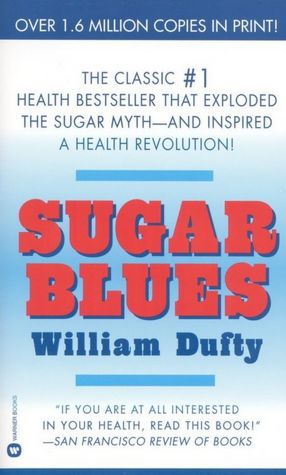 Sugar Blues by William Dufty: A pioneering work in the toxic effects of sugar consumption, Sugar Blues posits that sugar is a kind of poison that causes overweight, irritability, premature aging, diminished mental acuity, and lethargy. He describes an encounter he had with screen legend Gloria Swanson, who had sworn off the stuff years before, which inspired his lifetime of work researching the health problems associated with sugar addiction. Interesting reading.
 Suicide by Sugar by Nancy Appleton: Clinical nutritionist Nancy Appleton describes her own sugar addiction and how too much sugar caused her body’s homeostasis to become completely out of whack. She details the many physical maladies tied to high sugar consumption, including hypoglycemia, metabolic syndrome, diabetes, and dementia, and outlines an action plan for beating sugar addiction.
You might also want to check out this Nightline report featuring Dr. Robert Lustig, a Pediatric Endocrinologist, on the health concerns surrounding sugar consumption, including rising obesity levels due to eating foods containing high fructose corn syrup.
I’m now determined to cut a lot of the added sugars out of my diet. Next week, I will outline other helpful tools, including low sugar and diabetes cookbooks as well as websites geared at helping us monitor and reduce the amount of sugar we eat and drink.

 COACH STACY'S HEALTHY U
Try Kashi Go Lean ( Fiber Twigs, Soy Protein and Honey Puff Cereal) Crunchy and Delicious
1 cup
Fat 1 g
Fiber 10g
Protein 13g
Sugar 6g
Carbs 30
Weight Watchers Points 4
Calories 140
Mmmmmmm……and only 6 grams of sugars. I’ll give it a try!