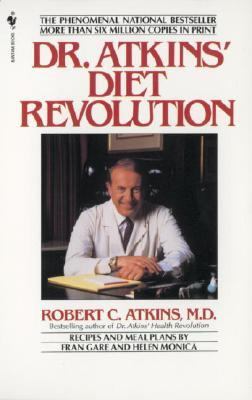
The famous Atkins low-carb weight loss solution first appeared on the diet scene back in the 1970s with the publication of Dr. Atkins Diet Revolution. The primary appeal of the plan is that dieters do not rely on counting calories, but rather limiting carbohydrates and increasing protein intake. Also alluring is the fact that weight tends to melt off rather fast, especially early on. The Atkins Diet eventually led to the low-carb craze which has included a variety of low-carb spinoff diets, recipes, cookbooks and menu choices in restaurants.
The first two weeks of the diet are the Induction Phase:
- No more than 20g of carbohydrates per day
- Unlimited meats
- No milk, fruit, or grains – and numerous starchy vegetables such as potatoes, corn, and carrots are off limits
As participants progress with the diet, some of the carb restrictions are relaxed, but only slightly. 40-90g of carbs are allowed when dieters reach the Maintenance Phase, which is far less than that recommended by dieticians and medical authorities.
While countless dieters have enjoyed success following the Atkins Diet, concerns abound:
- Some medical and nutrition experts feel that severely restricting certain food groups is unhealthy because it robs the body of essential nutrients. They also argue that such restrictions tend to lead to cravings, which ultimately makes the plan too hard to follow. Even weight that’s lost initially tends to be gained back quickly.
- High protein diets lead to acidic urine, which leaches calcium from the body. This increases the risk for osteoporosis and kidney stones.
- The severe limitation on carbohydrates can force the body into ketosis (burning fat for energy), the prolonged state of which can cause stress on the kidneys.
Other cons of the Atkins Diet include the reported side effects of constipation, bad breath, and dehydration as well as the potential risks of elevated cholesterol levels and heart disease.
So why, then, has the Atkins Diet enjoyed such a high level of popularity? People who have had success with the plan report the following pros:
- Atkins is easy to follow – no calorie counting, only carb counting.
- “Naughty” foods such as red meat and butter are allowed and encouraged.
- The plan is very much a part of the dieting mainstream so it’s easy to find information and recipes to support it.
- The rapid results are appealing. People tend to lose a lot of weight, particularly during the induction phase, and are perhaps more inclined to stick with the Atkins plan longer than they would other diets.
- “Bad” or refined carbs are eliminated, which of course, is healthy.
Ultimately, the important thing to remember is that in order for weight loss to occur, calories eaten must be less than calories burned. Therefore, an important component of any diet plan, including Atkins, must be physical activity.
Look for these Atkins Diet resources at your local library or bookstore:
 Atkins for Life: The Complete Controlled Carb Program for Permanent Weight Loss and Good Health by Robert C. Atkins
 Atkins for Life Low Carb Cookbook: More Than 250 Recipes for Every Occasion by Veronica C. Atkins
 The New Atkins for a New You: The Ultimate Diet for Shedding Weight and Feeling Great by Stephen D. Phinney
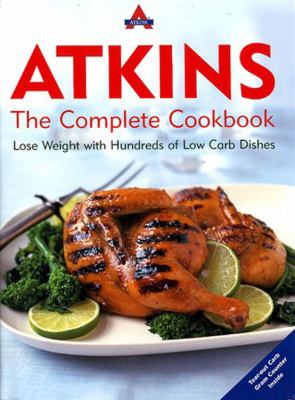 Atkins, the Complete Cookbook: Lose Weight with Hundreds of Low Carb Dishes, Sara Newberry, ed.

 COACH STACY'S HEALTHY U
There are heeps of other recipes on there to. Thanks paleo http://view77.com/paleodiet%2