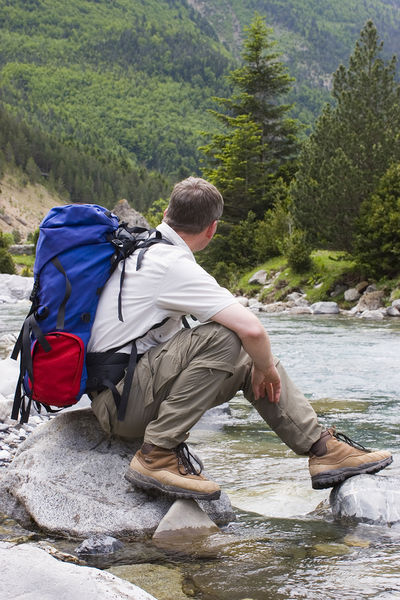
 Hiking is an enjoyable, inexpensive and easy form of physical activity. But I’ve learned the hard way that you need to be prepared – even if you’re planning a quick trip because the “quick change artist” that is the weather can turn an ill-equipped outing unpleasant in a hurry. And so, here are some common sense tips for “field tripping” safely on the trails.
The American Hiking Society (www.AmericanHiking.org) has developed the “10 Essentials of Hiking,” items that should accompany you on every hike:
- Correct Footwear – as in comfortable shoes or boots with good tread, and socks that will wick moisture away from your feet. If you’ll be hiking near water or rain is possible, you should carry an extra pair of socks.
- A Map and Compass. Laminated maps are best, or pack the map in a zip lock bag. GPS is fine, when it’s working or undamaged, but also pack the low tech gear as back-up.
- Plenty of Water – two quarts per person all times of the year, including winter. Bring plenty of water for the dogs too, if you’re bringing them along.
- Plenty of Food – think about the possibility of injury and your inability to make it back to the trailhead. You might end up on the trail much longer than expected and will be thankful you brought the extra trail mix or energy bars.
- An extra layer of clothing, a rain jacket, and a hat. Avoid cotton if at all possible because it retains moisture.
- Safety Essentials: Lighter or matches, whistle, flashlight and cell phone.
- First aid kit – compact, pre-assembled kits can be purchased at sporting goods and camping stores.
- A pocket knife or multi-purpose tool.
- Sun screen, sun glasses and bug spray.
- Backpack to put all your gear in.
Meteorologists do their best, but alas, sometimes the weather even fools the experts. Here are some tips for hiking when the weather is unpredictable:
- Know the forecast. If storms are expected, be more vigilant and as suggested above, bring a poncho or rain jacket if the weather is expected to get colder or wet.
- Watch the horizon for storm clouds and listen for thunder.
- Observe the 30/30 rule: Count the seconds from the lightning flash until the thunder is heard. If it’s less than 30 seconds, you need to find shelter, such as a car or an enclosed building. Picnic shelters and trees are not good shelters in a lightning storm.
- If you are in a secluded area when a thunderstorm hits, retreat from high places. Seek a valley or depression in the terrain. Remove your backpack if it has a metal frame, and move 100 feet away from it.
- Crouch down on the balls of your feet and cover your ears. Spread out if you’re hiking with a group.
And a few more dos and don’ts for optimum safety on the trails:
- Avoid hiking alone, and tell someone – a friend or family member – where you’re going and approximately when you plan to return.
- Use the restroom before you embark – and be prepared to dispose of your animals’ waste while on the trail.
- If you’re hiking with your little ones or critters, proceed at a pace they can handle.
- NEVER drink water that hasn’t been purified, and if handling food, make sure your hands and utensils are clean.
- Stay on the trail to avoid getting lost or encountering snakes or other wildlife. “Bushwhacking” also causes erosion.
- Watch out for loose rocks, low-hanging branches, and poisonous plants.
- Stop for rest breaks – and have everyone hydrate (including your dogs). Don’t go farther than you can make it back. Early in the season, take it easy the first few times out and gradually increase your distance and stamina.
- Carry the “10 Essentials” but don’t pack too much if you can avoid it. An overly heavy pack will wear you out in a hurry.
- Pay attention – to the weather, your environment and landmarks, and the condition of your fellow hikers. Take note of blazes along the trail – these are the swatches of paint you’ll find on trees indicating you’re still on the trail.
- If you get lost, stop and look around. Recall some of the blazes or landmarks you’ve observed, and consult your map. Stay warm and dry and try to make a shelter if nightfall is approaching. Be visible and heard. Three short whistle bursts is a standard distress signal. If aircraft is approaching, lie down so that you look bigger from the air.
- Be sure to pick up your own trash.
- Enjoy the wildlife, but don’t get too close. Be especially aware if you’re hiking in bear or mountain lion territory.
So there you have it. Now that the weather’s warm, I urge you to take some time, get outdoors and enjoy Mother Nature’s remarkable beauty. But be smart along the trails too.

 COACH STACY'S HEALTHY U