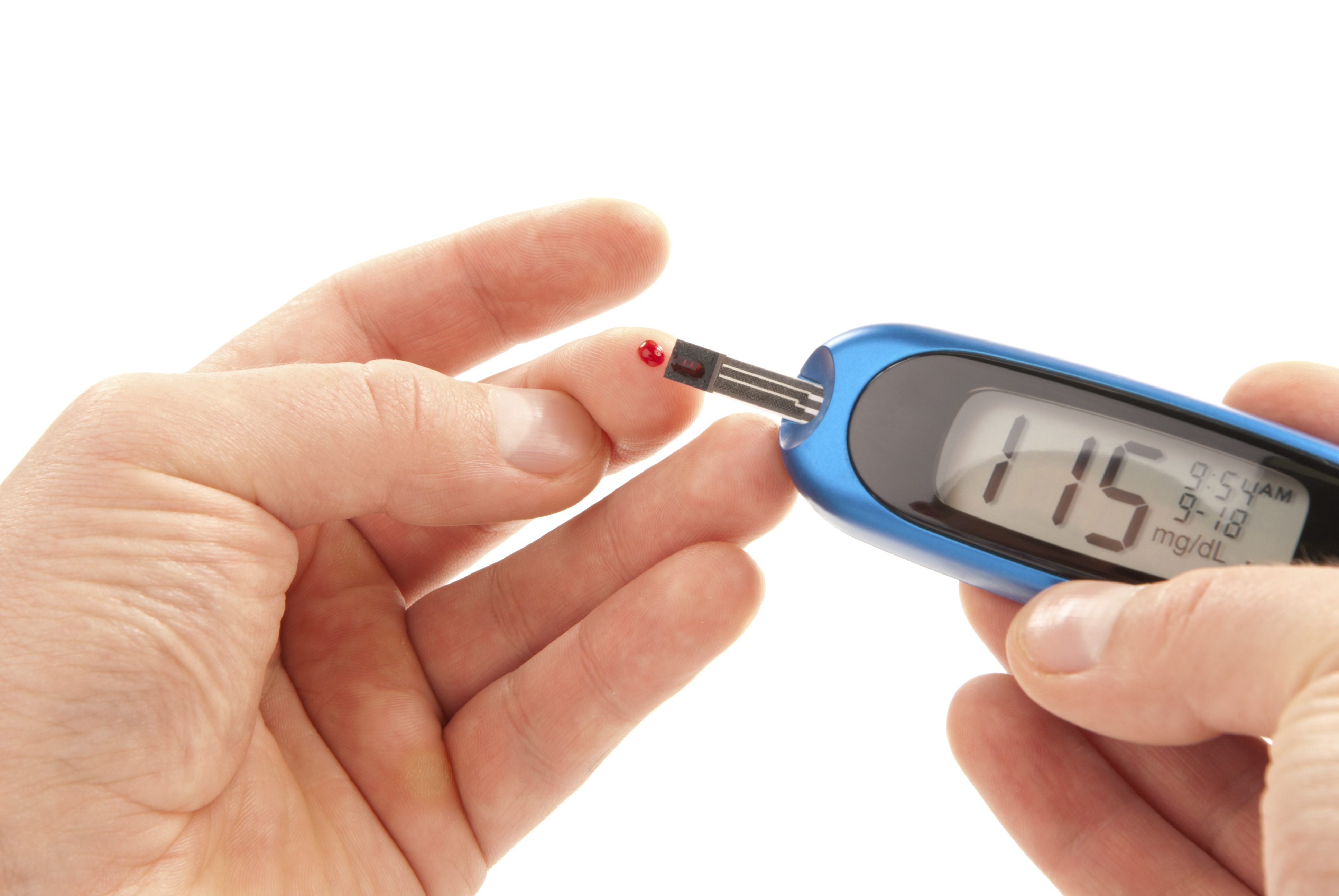
 November is National Diabetes Awareness Month. Believe it or not, diabetes is the nation’s seventh deadliest disease – almost 19 million Americans have been diagnosed with diabetes and it’s estimated that around 7 million cases are currently undiagnosed.
What is diabetes? It’s a disease in which the pancreas (a gland located just below the stomach) fails to secrete a sufficient quantity of insulin, causing high levels of blood glucose. A normal blood test reading is 99 or below. A reading of 100-125 makes you pre-diabetic and a reading above 126 makes you diabetic. Symptoms of diabetes include increased thirst and hunger, fatigue, increased urination (especially at night), weight loss (for Type 1), blurred vision, and sores that do not heal.
Diabetes Facts
- Diabetes is the leading cause of heart disease, stroke, blindness, kidney failure, and non-traumatic amputation
- In 2007, diabetes contributed to over 230,000 deaths in the U.S.
- Diabetes decreases life expectancy by 15 years
- Diabetics spend $10,500 more per year on health care than non-diabetics
There are actually two types of diabetes:
Type 1 Diabetes
- Also known as juvenile diabetes or insulin-dependent diabetes
- No insulin is produced by body
- Requires daily injections and self-monitoring
- Often hereditary
- Autoimmune disease (immune system attacks the beta cells in the pancreas that make insulin)
- Small percentage of diabetic population – 5-10%
Type 2 Diabetes
- Also known as adult-onset diabetes or non-insulin dependent diabetes
- Pancreas produces some insulin but body does not process it effectively
- Onset usually after age 30
- Causes include heredity, obesity, poor food diet, lack of exercise
- Large percentage of diabetic population – 90-95%
- Can be initially treated with diet and exercise
A third type of diabetic condition, which is growing alarmingly in prevalence, is Pre-Diabetes, affecting 41 million Americans. Those with this condition have above normal blood glucose levels, but not high enough to be considered diabetic. The good news is life-style changes such as improved food diet and increased physical activity can head off full-blown diabetes for these borderline individuals.
Anatomy of Diabetes
The food you eat is broken down into a form of sugar called glucose, the body’s source of energy. Your glucose levels rise when you eat. Insulin, a hormone produced by the beta cells in the pancreas, pushes those glucose levels back down normally. People with Type 1 diabetes lack insulin in their bodies and therefore inject insulin daily. Individuals with Type 2 have insufficient insulin levels, but can improve their insulin’s effectiveness through lifestyle changes such as improved food diet, stress reduction, physical activity and improved overall health.
Diabetes Management
Healthy eating and physical activity are important components to managing diabetes. Not only do they make you look and feel better, but they improve your overall health as well. Remember, you should always check with your physician before beginning any exercise program.
The best time to exercise is 1-3 hours after meals. You should check your blood-glucose levels before and after physical activity because the exercise may lower your levels. Always carry a high-carb snack with you.
When it comes to eating, try these measures:
- Eat about the same amount of food each day.
- Keep portions fairly consistent.
- Don’t skip meals or snacks.
- Work with your doctor or dietician to determine the best meal plan for you.
For more information on managing and diagnosing diabetes, log on to the American Diabetes Association website or check out these resources at your local library:
 American Diabetes Association Complete Guide to Diabetes by the American Diabetes
 Mayo Clinic Diabetes Diet by the weight loss experts at Mayo Clinic Association
 Deliciously Healthy Cooking for Diabetes by Yael Avital
 Fix It and Forget It Diabetic Cookbook by Phyllis Pellman

 COACH STACY'S HEALTHY U