Kudos to Coach Stacy who was featured in the February issue of Scholastic’s Choices Magazine. In case you’re wondering, Coach doesn’t fall for any of these excuses. So get up, get out, and get moving!


Kudos to Coach Stacy who was featured in the February issue of Scholastic’s Choices Magazine. In case you’re wondering, Coach doesn’t fall for any of these excuses. So get up, get out, and get moving!

 Q: My 13-year old daughter has been hanging out after school with friends at the local coffee shop. I’m concerned because I’ve heard that drinking coffee isn’t healthy for children and teens. After reading your recent article on the health benefits of coffee, I don’t know what to think. Could you weigh in on this? ~ Juanita, Montrose, CO
A: I’m glad you asked, Juanita. And the answer, of course, is everything in moderation. Too much coffee – at any age – is not a good thing, mainly because of the caffeine content. The FDA has determined that up to 400 mg of caffeine per day is fine for adults; unfortunately, it has set no specific guidelines for kids and teenagers. However, Health Canada has recommended no more than 2.5 mg/kg of body weight. So a teen who weighs in at 125 lbs, should not drink more than 140 mg of caffeine per day. To put that into perspective, here is the caffeine content in common beverages:
Excess caffeine consumption can cause jitteriness and sleep deprivation – which obviously isn’t a good thing for kids or adults. But it can also lead to behavioral problems, hyperactivity, and difficulty in concentration with kids and teens. Also, coffee should definitely not be substituted for nutritionally healthier beverages such as milk and water. One other thing – because coffee is a diuretic and increases urination, this can lead to dehydration. Even worse, increased urination causes loss of calcium, which can lead to bone loss, since calcium is essential for bone growth. That old wives’ tale that coffee drinking will stunt one’s growth – well, maybe it’s not an old wives’ tale after all.
Forbidding your daughter from drinking coffee will only make her want to drink it more. My advice is that you encourage her to drink it, as well as all caffeinated, high-sugar beverages, only occasionally, in moderation – and not as substitutes for healthier beverages, especially water. You might even take it one step further and suggest that she and her friends take up active after school hobbies like intramural sports, biking, or even walking around the mall.
 Today was National Coffee Day. Actually, I celebrate national coffee day every day – but yesterday I enjoyed a whole lot of company in that commemoration. In fact, some 54% of the population in the United States drinks coffee on a daily basis. Lucky for all of us – half a dozen coffee joints from McDonalds to Dunkin’ Donuts distributed free cups of coffee to anyone who asked. And since there’s been a bit of buzz lately about the assorted health benefits of coffee, I decided to pack up my iPad and do some research while enjoying various and sundry free cups of jo all over town.
One of my first surprises lay in the discovery that coffee is actually a fruit. Specifically, the coffee bean is extracted from the cherry fruit. Who knew? And interestingly enough, the longer coffee is roasted, the weaker is the strength and impact of its caffeine, so that darker roasts deliver less caffeine than lighter roasts. I love the lighter roasts, which just might explain why I come across as being somewhat hyper.
Okay, very hyper.
During the 17th century in England, coffee houses were known as “penny universities” where a cup of coffee cost a penny and engaging conversation was held. Come to think of it, this might be where the expression “a penny for your thoughts” originated.
Coffee itself, before all the cream and sugar are added, boasts some surprising health benefits:
Are there any negatives to drinking coffee? Well, if you’re drinking coffee in public, make sure you know where the restrooms are. Coffee is very effective as a diuretic. Coffee also contains acids which can irritate the lining of the stomach, therefore causing upset – so, know your limits. Finally, adding the “extras” (i.e., creams, sugars) into your coffee rings up quite the caloric punch, so beware!
I don’t know what I’d do if I ever had to give up coffee. My morning brew is like warm hug from a good friend on a cold day. How I do LOVE my coffee!
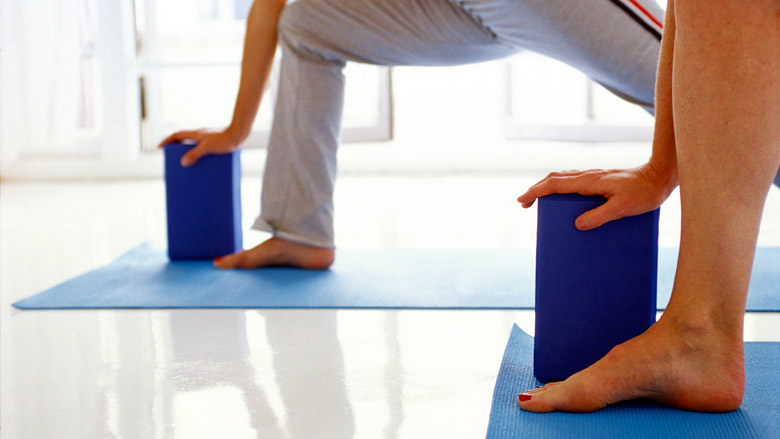 Q: Your recent post on yoga interested me because I, too, have been under a lot of stress lately and think I’d like to try yoga for its calming benefits. Unfortunately, one of my stresses has to do with my finances and it seems as though yoga is fairly expensive, not only for the classes, but the equipment too. What would you say are “must haves” in terms of gear for someone just starting out in yoga? ~ Giselle – Parker, CO
A: Actually, Giselle, you’re in luck, because “essential” yoga gear is relatively minimal. And it makes sense – since yoga, after all, has been around for thousands of years, long before Lululemon was around. Yoga is an exercise for mind, body and spirit, so that’s really all you need. But if you can swing it financially, there are just a few items that will make learning yoga a little easier:
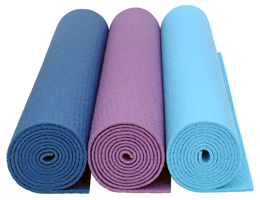
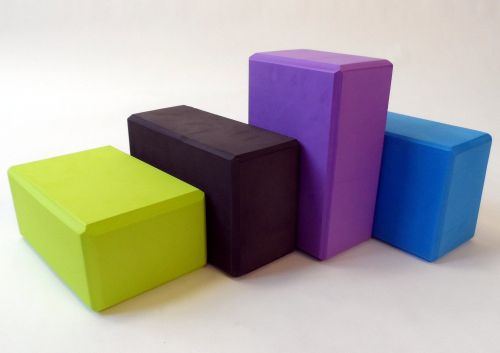
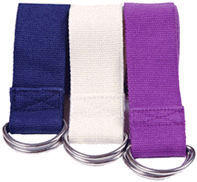
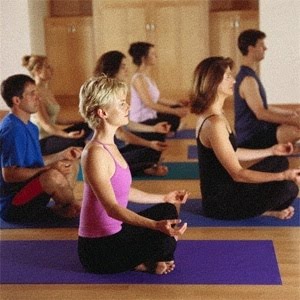
The last thing in the world you’ll want to do is cause yourself more stress over expensive yoga gear. Most discount stores like Target and Walmart will have reasonably priced equipment and clothing that will fit your needs. Namaste, Giselle, and good luck!
 In honor of Global Employee Health and Fitness Month, I’m starting a MOVE-ment to encourage people to take ownership of their health. No need to join a gym, or start a new diet, or register to run a race. Simply make a promise to yourself to practice a healthy lifestyle by:
Log on to the Global Employee Health and Fitness Website to join the movement.
Click on “Sign Up,” to register. Then scroll down to the Activity Board and click on “MOVE-ment: Take Ownership of Your Health.”
Click on “Join” to do your part in taking ownership of your health and improving the health of the nation. Invite your family, neighbors, co-workers and friends to join too – together we can make America healthy!
 When I was a Texas undergrad, I was consistently attracted to the cowboys who wandered about campus; years in the saddle made them look mighty fine from behind in their Wranglers. Of course, the butt muscles are the largest muscles in the body. So when worked out, they look terrific. But ignored, they present a LARGE problem in a hurry. Three muscles known as the gluteus maximus, the gluteus medius, and the gluteus miniumus, make up one’s rear end. The maximus comprises the biggest portion of the tush, the medius sits at the top of the hips, and the minimus rests in between.
Most of us are motivated to work our glutes in order to look toned and sculpted and fabulous in jeans. However, a strong butt serves functional purposes as well. Not only does it help stabilize the back, it also helps us climb stairs, sit and stand, get in and out of the car, and carry out daily chores and countless other tasks. The following five exercises will activate the gluteal muscles and transform droopy and flabby into shapely and firm for a sexy and strong derriere:
Glute Bridge – Double or Single Leg
Platypus Walk
This is a simple move that works the butt and can be done anywhere, anytime with no equipment. The platypus walk engages the butt, thighs, and core, and challenges one’s balance as well. I love this move for all the different muscles it involves and it’s also fun to do.
Bodyweight Squat
Ready: No equipment is needed as you start with feet shoulder width and toes lined up with your knees. Place your hands on the side of your hips. Stand tall with your chin parallel to the floor, shoulder blades together, abdominals engaged and chest up. Inhale and exhale throughout the movement.
Set: Keep your weight shifted back onto your heels as 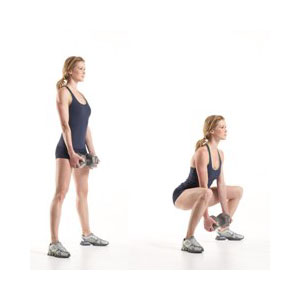 your hips and butt prepare to jut out behind you. A good cue is to think of sitting in a chair. Like a hinge, your hips and knees bend in unison as you lower your butt, and your knees will start to shift forward.
Go: Begin to slowly lower yourself into a “sitting in the air” position with arms extended forward for balance. As you squat, try not to let your knees pass over your toes and keep your heels planted flat on the floor. Align knees with hips throughout the movement. To engage the glutes muscles push through the heels more as you begin the upward movement. Repeat 5-20 times.
Exercise Challenge: Add weight in your hands and maintain the above position.
Bicycling
 Bicycling is an outstanding butt workout, as it engages multiple muscles, including the glutes and burns about 500 calories per hour. To avoid back or knee strain, distribute your weight evenly and don’t slump. Keep your shoulders back and your hands even with your shoulders on the handlebars. Adjust your seat so that your knees stop just short of locking when you push down on the pedals. Adjust your gears so that the ride is challenging, but not impossible – and be sure to wear a helmet for safety.
Standing Gate Openers
Ready: Stand tall with your feet shoulder width apart, toes facing forward, chest up and arms by your side. If needed, use the wall or a chair for balance.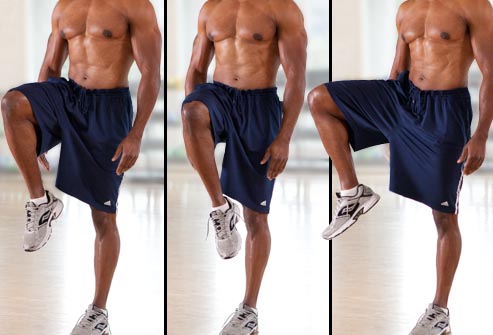
Set: Think of a gate that opens and closes like a hinge as your prepare to lift one leg up and off the floor.
Go: As you begin the move, engage your abdominals and shift your weight to one leg as you lift your other knee up towards your chest. Keeping your knee in a 90-degree bent position, rotate the bent leg across your body and back as if it is a gate opening and closing. Try to keep your other leg and hip stable as you repeat the move 5-10 times.
After dinner tonight take a pass on the cookies and cake and satisfy your sweet tooth by grilling a little fruit on the barbecue. The natural sugars found in fruit caramelize while on the grill for an explosion of sweetness that is sure to please. Grilling fruit is quick and easy – and it’s nutritious too. Here are three recipes to get you started:
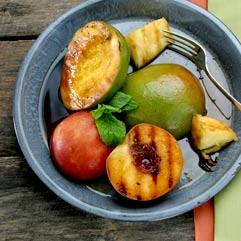 Grilled Fruit with Balsamic Vinegar Syrup (from www.mayoclinic.com)
1 small pineapple, peeled, cored and cut into wedges
2 large mangoes, cored and cut in half
2 large peaches, cored and cut in half
Nonstick, butter-flavored cooking spray
2 Tbs brown sugar
½ cup balsamic vinegar
Mint or basil leaves, for garnish
In a large bowl, combine the pineapple, mangoes and peaches. Spray generously with cooking spray. Toss and spray again to ensure the fruit is well coated. Sprinkle with brown sugar. Toss to coat evenly. Set aside.
In a small saucepan, heat the balsamic vinegar over low heat. Simmer until the liquid is reduced in half, stirring occasionally. Remove from the heat.
Prepare a hot fire in a charcoal grill or heat a gas grill or broiler. Away from the heat source, lightly coat the grill rack or broiler pan with cooking spray. Position the cooking rack 4-6 inches from the heat source.
Place the fruit on the grill racks or broiler pan. Grill or broil over medium heat until the sugar caramelizes, about 3-5 minutes.
Remove the fruit from the grill and arrange onto individual serving plates. Drizzle with balsamic syrup and garnish with mint or basil. Serve immediately.
Yields: 6 servings
Per Serving: 120 calories, 0 g fat, 0 mg cholesterol, 5 mg sodium, 29 g carbohydrates, 3 g fiber, 1 g protein
_______________________________
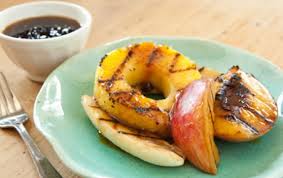 Grilled Fruit with Caramelized Orange Sauce (from www.wholefoodsmarket.com)
½ cup orange juice
1/3 cup brown sugar
1 tsp orange zest
Canola oil
2 large peaches or nectarines, pitted and cut into thick wedges
2 ripe but firm bananas, peeled, halved lengthwise then crosswise
1 pineapple, peeled, cored and cut into thick slices
Whisk together juice, sugar and zest in a small saucepan and bring to a simmer over medium heat. Reduce heat to medium low and simmer until reduced by half, 6-8 minutes. Set aside to let cool completely.
Meanwhile, grease grill grates with oil and preheat to medium high heat. Working in batches, arrange peaches, bananas and pineapple on grill in a single layer and cook, carefully flipping once, until just hot throughout and golden brown, 2-3 minutes. Transfer fruit to bowls, drizzle with sauce and serve.
Yields: 6-8 servings
Per Serving: 150 calories, 2 g fat, 0 mg cholesterol, 0 mg sodium, 33 g carbohydrates, 3 g fiber, 1 g protein
______________________________
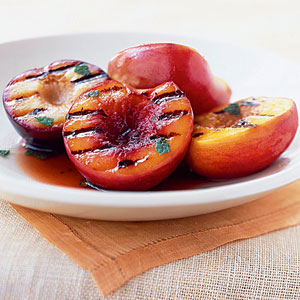 Grilled Stone Fruit Antipasto Plate (from www.myrecipes.com)
Dressing:
1 Tbs brown sugar
3 Tbs white balsamic vinegar
2 Tbs extra virgin olive oil
2 Tbs fresh lime juice
2 tsp vanilla extract
¼ tsp freshly ground black pepper
1/8 tsp salt
1/8 tsp hot sauce
Fruit:
1 pound firm black plums, halved and pitted
1 pound firm peaches, halved and pitted
½ pound firm nectarines, halved and pitted
½ pound firm pluots, halved and pitted
Cooking spray
Mint sprigs (optional)
Prepare grill. To prepare dressing, combine first 8 ingredients in a small bowl, stirring well with a whisk.
To prepare fruit, place fruit on grill rack coated with cooking spray; grill 3 minutes on each side. Remove from grill. Drizzle fruit with dressing. Garnish with mint sprigs if desired.
Yields: 8 servings
Per Serving: 129 calories, 4.1 g fat, 1.4 g protein, 23.8 g carbohydrates, 2.9 g fiber, 0 mg cholesterol, 39 mg sodium
 I was hired to speak at an organizational in-service training a few weeks ago. During the Q&A I was asked, “What is your number one piece of fitness advice?” My answer? Regular physical activity; everything else is gravy.
I stumbled upon an interesting statistic yesterday. Women who exercise three or more times per week earn 10% more than their “couch-potato colleagues.” The theory is that exercise makes people more productive, and therefore, more likely to enjoy financial gain. However, increased earning power is only the tip of the iceberg where the benefits of physical activity are concerned. Here are nine more reasons why “When you’re moving, you’re improving”:
So there you have it. Regular physical activity makes you look good and feel good – if they sold that in a bottle, we’d all be skinny and live to 100. So get up and get active already. It’ll do you a world of good!
The TED Blog shares news about TED Talks and TED Conferences.
When you're moving, you're improving!
 COACH STACY'S HEALTHY U