
Close to 80% of us will quit our New Year’s resolutions by the end of the month. Here are some tips to help you stick with yours.
Close to 80% of us will quit our New Year’s resolutions by the end of the month. Here are some tips to help you stick with yours.
 The nation has seen a lot of snow in the last few weeks, and shoveling it out of the way can be both beneficial and risky. You’ll burn up to 400 calories per hour scooping your driveway and sidewalk. In addition, shoveling snow provides a high intensity workout that raises the heart rate and tones large muscle groups.
However, scooping the white stuff also places a major strain on the cardiovascular system – it’s no coincidence that instances of heart attack tend to increase dramatically after periods of heavy snow. Cold weather tends to constrict blood vessels so the heart has to work much harder to pump blood through the body. Add the increased heart rate from the shoveling exertion, and one’s heart may well be outmatched, causing a heart attack.
Here are some tips and tricks to make your next snow shoveling operation both healthy and safe:
Shoveling snow may not be a glamour workout, but when done correctly, you’ll benefit from major calorie burn. Just be sure to have the ice pack handy for when you’re finished. And remember – no matter what your age is or your general level of fitness – when you’re moving, you’re improving!
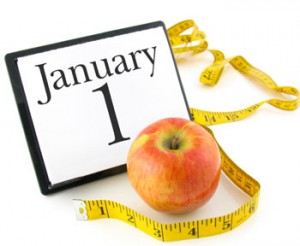 Now that we’ve rung in the New Year, it’s time for some resolutions. Instead of “Happy New Year,” let’s embark on a “Healthy New Year.” But be wary of setting Biggie-sized resolutions. Why? To avoid setting yourself up for certain failure. Research shows that six out of ten people quit their health clubs after the first 30 days of membership. Here are some guidelines for establishing goals geared for success:
You’ll find that when goals are attainable and enjoyable, you’re much more likely to stick with your resolutions. Healthy New Year – here’s to a fit and happy 2014!
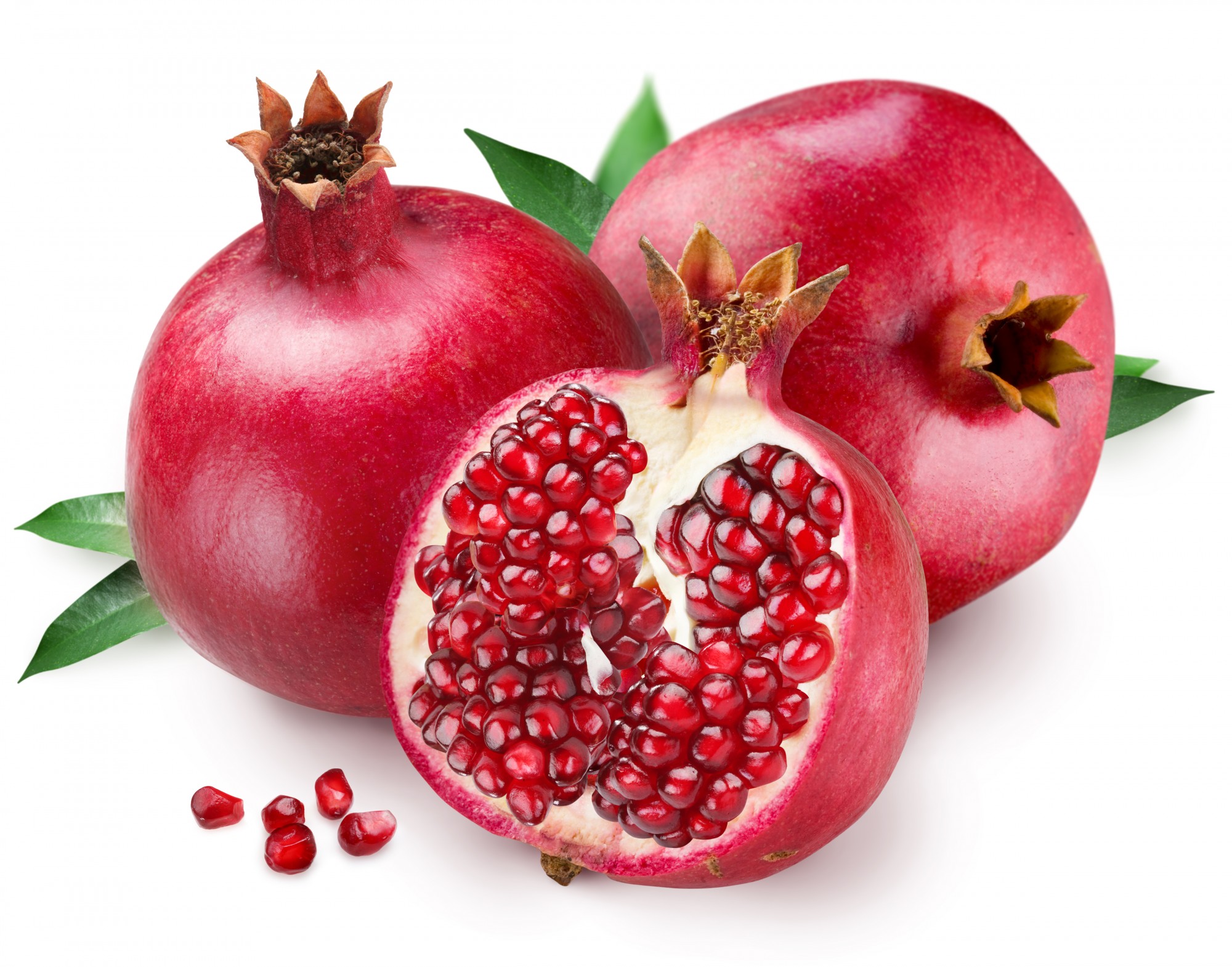 Pomegranates are nutritional powerhouses, and in-season now. Not only are they loaded with antioxidants, vitamins, minerals, and fiber – their ruby-red seeds make festive adornments to many a holiday dish. Try sprinkling pomegranate seeds (arils) on salads, over cold cereal or oatmeal, and in Greek yogurt. Pomegranates are also well paired with chicken and seafood and are the perfect ingredient in chutneys, salsas and jams. If you’re entertaining this holiday season, try some of these pom recipes:
Pomegranate Ginger Muffins (from www.about.com)
2 cups all-purpose flour
2/3 cup sugar
1 Tbs baking powder
½ tsp salt
1/3 cup minced crystallized ginger
1 tsp grated lemon peel
1 ¼ cups pomegranate seeds
1 cup milk
1 large egg
¼ cup butter or margarine
In a bowl, mix flour, 2/3 cup sugar, baking powder, and salt. Stir in crystallized ginger, lemon peel and pomegranate seeds. Make a well in the center.
In a measuring cup, blend milk, egg, and ¼ cup butter. Pour liquid all at once into well. Stir just until batter is moistened; it will be lumpy.
Spoon batter into 12 (2 ½ inch wide) or 24 (1 ¾ inch wide) buttered muffin cups, filling each almost to the rim. Sprinkle with 1 to 2 teaspoons sugar.
Bake in a 425° oven until lightly browned, about 16 minutes for large muffins, 13 minutes for small. Remove muffins from pan at once. Serve hot or set on a rack and serve warm or cool.
Yields 12 (2 ½ inch) or 24 (1 ¾ inch) muffins
Per 2 ½ inch muffin serving:
215 calories, 3.5 g protein, 6.3 g fat, 37 g carbohydrates, 290 mg sodium, 34 mg cholesterol
______________________________
Gingery Pomegranate Punch (from www.realsimple.com)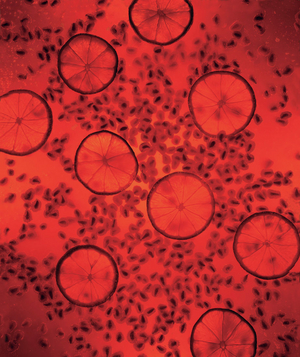
4 cups pomegranate juice, chilled
4 cups vodka
¾ cup fresh lime juice, plus 1 lime, thinly sliced
6 cups ginger beer, chilled
½ cup pomegranate seeds
In a large punch bowl, combine the pomegranate juice, vodka, and lime juice; chill for up to 12 hours. Just before serving, add the ginger beer, pomegranate seeds, and lime slices.
Yields 10 servings
Per serving:
168 calories, 0 g protein, 17 g carbohydrates, 0 g fat, 16 g sugar, 8 mg sodium, 0 mg cholesterol
_______________________________
Vanilla Pomegranate Parfait (from www.eatingwell.com)
Pomegranate Compote
2 Tbs sugar
2 tsp cornstarch
1 cup pomegranate seeds
2/3 cup pomegranate juice
1 Tbs lemon juice
Pudding
1 cup low-fat milk
¾ cup half-and-half
2 tsp vanilla extract
1 large egg
1 large egg yolk
1/3 cup sugar
1 ½ Tbs cornstarch
1 Tbs butter
½ cup pomegranate seeds for garnish
6 mint sprigs for garnish
To prepare compote: Mix 2 Tbs sugar with 2 tsp cornstarch in a small saucepan. Add pomegranate seeds, pomegranate juice and lemon juice; stir to combine. Bring to a boil over medium-high heat and cook, stirring, until syrupy, about 5 minutes. Transfer to a small bowl. Refrigerate while you prepare the pudding.
To prepare pudding: Combine milk and half-and-half in a medium heavy saucepan. Add vanilla extract. Bring to a simmer over medium heat. Remove from the heat, cover and let steep for 5 minutes.
Meanwhile, whisk egg, egg yolk, 1/3 cup sugar and 1 ½ Tbs cornstarch in a medium bowl. Reheat the milk mixture just until steaming. Carefully whisk one-third of the steaming milk into the egg mixture. Pour the egg-milk mixture back into the pan. Cook over medium heat, whisking constantly, until very thick, 2-3 minutes. Remove from the heat and whisk in butter.
To prepare parfaits: Divide the pomegranate compote among six 6-ounch parfait glasses, ramekins, or other small dessert cups. Spoon the pudding mixture over the compote. Cover and refrigerate until the pudding is well chilled and firm, at least 3 hours. To serve, garnish each parfait with pomegranate seeds and a mint sprig, if desired.
Yields 6 servings
Per serving:
209 calories, 8 g fat, 4 g protein, 1 g fiber, 31 g carbohydrates, 48 mg sodium, 88 mg cholesterol
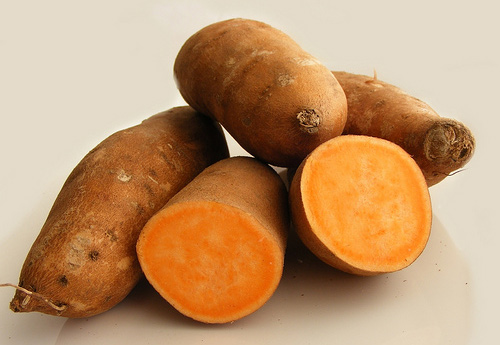
Although sweet potatoes were not served at the first Thanksgiving meal – they’d yet to infiltrate North American from the Caribbean – few sides are as gratifying as these sweet and nutrient-rich spuds. Sliced, mashed or pureed, these ‘tater recipes are sure to please your guests on Thanksgiving.
Sweet Potato Gratin (from www.familycircle.com)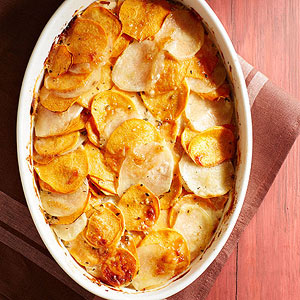
3 cloves garlic, chopped
1 Tbs chopped fresh rosemary
1 Tbs chopped fresh thyme
2 lbs sweet potatoes, peeled and sliced 1/8 inch thick
1 lb baking potatoes, peeled and sliced 1/8 inch thick
1 ¼ tsp salt
¼ tsp plus 1/8 tsp black pepper
5 oz Gruyère cheese, grated
1 cup heavy cream, heated
Heat oven to 400°. In a small bowl, mix together chopped garlic, rosemary and thyme. In a 2-quart baking dish, layer one-third of the sweet potato and baking potato slices, slightly overlapping some of the edges. Sprinkle with ¼ tsp of the salt, 1/8 tsp of the pepper, half the garlic-herb mixture and one-third of the shredded cheese. Repeat layering a second and third time. Mix remaining ½ tsp salt with heavy cream; pour over potatoes.
Place baking dish on a rimmed baking sheet. Cover with aluminum foil. Bake at 400° for 30 minutes. Uncover and bake another 25 minutes, until bubbling and top is golden-brown. Cool 15 minutes before serving.
Yields: 12 servings
Per serving: 178 calories, 11 g fat, 5 g protein, 15 g carbohydrates, 2 g fiber, 310 mg sodium, 40 mg cholesterol
————————————————-
Rosemary Mashed Sweet Potatoes with Shallots (from www.cookinglight.com)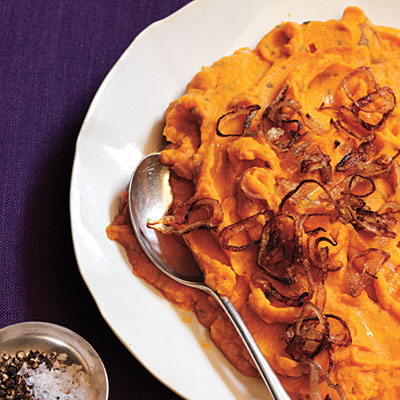
2 Tbs plus 2 tsp extra-virgin olive oil, divided
¾ cup thinly sliced shallots (about 2 large)
2 tsp brown sugar
2 lbs sweet potatoes, peeled and diced
1 Tbs finely chopped fresh rosemary
½ tsp coarse sea salt
¼ tsp black pepper
Heat 2 Tbs olive oil in a medium skillet over low heat. Add shallots to pan, and cook for 5 minutes, stirring occasionally. Sprinkle with sugar; cook 20 minutes or until shallots are golden, stirring occasionally.
Place potatoes in a medium saucepan; cover with water. Bring to a boil; cook 8 minutes or until tender. Drain. Place potatoes in a large bowl; beat with a mixer at medium speed until smooth. Add rosemary, salt, and pepper; beat until blended. Spoon into a bowl; top with shallots, and drizzle with remaining 2 tsp oil.
Yields: 6 servings
Per serving: 202 calories, 6.3 g fat, 29 g protein, 34.9 g carbohydrates, 4.8 g fiber, 278 mg sodium, 0 mg cholesterol
————————————————
Sweet Potato Soup (from www.tasteofhome.com)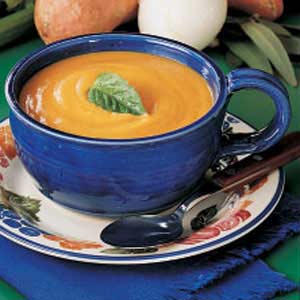
1 cup chopped celery
½ cup chopped onion
1 Tbs canola oil
3 medium sweet potatoes (about 1 pound), peeled and cubed
3 cups chicken or vegetable broth
1 bay leaf
½ tsp dried basil
¼ tsp salt, optional
In a Dutch oven, sauté celery and onion in oil until tender. Add remaining ingredients; bring to a boil over medium heat. Reduce heat; simmer for 25-30 minutes or until potatoes are tender.
Discard bay leaf. Cool slightly. In a blender, process soup in batches until smooth. Return all to pant and heat through.
Yields: 4 servings
Per serving: 133 calories, 5 g fat, 4 g protein, 20 g carbohydrates, 0 g fiber, 4 mg cholesterol
 Q: I read a report on Denver Broncos Football player Rahim Moore having an injury called “lateral compartment syndrome.” The story caught my eye because it said that anyone who is an athlete could suffer this dangerous injury stemming from any sort of hit or fall. I’m a cyclist and train pretty hard. I’ve also taken a few spills that have bruised me up. Can you explain to me what to look for and how to prevent this injury when I’m training or racing? -Ed; Denver, Colorado
A: By way of background, Denver Broncos safety Rahim Moore suffered a leg injury in the first half of last Sunday’s game against Kansas City and was out the rest of the game. When the pain persisted during the night, Moore alerted the Broncos trainer who astutely referred Moore to a specialist. On Monday, Moore underwent emergency fasciotomy surgery, a procedure that repaired the bleeding in the muscle sheath in Moore’s left lower leg, which decreased the pressure and restored the leg’s blood flow.
Lateral compartment syndrome is an injury that can occur from a hard impact that causes bleeding and swelling in the limbs. This results in restricted blood flow to the muscles and nerves that supply them necessary oxygen and nutrients. It can be very serious if left untreated, and lead to muscle damage, loss of a limb, infection, nerve damage, kidney failure, or even death. LCS typically develops over time when one has suffered repeated injury to a limb. The danger is that when the tissue swells there is no room in the surrounding compartments for the limb to expand, causing the muscle, vessels and nerves to become squeezed, which in turn, results in severe pain. The good news is that there are warning signs: Decreased range of motion, pain that does not let up, numbness and the “pins and needles” feeling (legs and feet fall asleep), and in the late stage, paralysis of the limb.
Competitive athletes, of course, are more prone to repeated impact injuries, and thus, at a higher risk but other causes of lateral compartment syndrome include falls, fractures, casts that are too tight, prolonged limb compression, legs elevated in surgeries longer than six hours, intravenous drug injections and anabolic steroid use that can cause muscle swelling. You’d be interested in knowing also that competitive cyclists can be afflicted with “chronic compartment syndrome,” or CCS, from sitting too long on bike seats. It’s recommended that when out for a long ride or race, you stop and get off your bike seat every now and then to get your circulation turned back on. Make sure you schedule some rest days between training days and if you do take a spill or two, keep a close eye on the injury – ice and elevate the afflicted area – and if it gets, worse see a doctor right away.
The bottom line is that you can really do yourself some harm if you try to “tough out” an injury. Train smart – be smart – and get medical help when you need it.

Q: I work as a Manager for a national restaurant chain. I’ve been smoking for about 6 years – and most of the people I work with are smokers. But I promised my wife, who is expecting our first child, that I’d try to quit. I’ve heard that electronic cigarettes and hookah are safer than regular cigarettes. Do you think they’d be good for helping to wean me off the real things? – Marc; Cheyenne, WY
A: Unfortunately, Marc, you’ve been misinformed. Let’s start with e-Cigs, which the Food 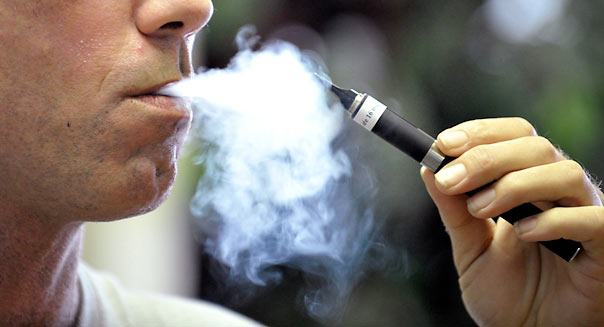 and Drug Administration does not regulate as of yet. These are battery-operated cigarette look-alikes. The devices use atomizers that heat up a nicotine-laden liquid that turns into a vapor, which is inhaled like cigarette smoke. e-Cigs have been tested and are known to contain many of the same toxic chemicals as well as the carcinogens of regular cigarettes.
Hookah is a water pipe with a smoke chamber, a bowl, a pipe and a hose. Candy or fruit  flavored tobacco is heated. Smoke from the tobacco passes through the water and is then inhaled through a rubber hose and mouthpiece. Hookah smoke also contains toxic chemicals (tar, carbon monoxide), nicotine, and carcinogens. People who smoke hookah are at risk of developing the same diseases as cigarette smokers – lung, mouth, and stomach cancer, decreased lung function, and infertility.
Let’s face it – nicotine is nicotine – and highly addictive. You might be able to quit smoking cigarettes using e-Cigs or hookah, but you’ll still be addicted to nicotine, and susceptible to the many health problems and diseases associated with cigarette smoking. If you really want to quit, there are safe and effective medications on the market – nicotine replacement therapy such as the nicotine patch or gum – designed to help you deal with the cravings and symptoms of cigarette withdrawal.
Another method of helping you break your smoking habit is adding some physical activity into your day. Walking helps clean out your lungs from the toxins that stem from smoking. You should also clean up your food diet by eliminating foods that fuel withdrawal cravings such as refined carbs, sugary syrups and added sugars, all of which cause weight gain. Keep your fridge and work place stocked with healthy food and snack choices. Learn to address your stresses by tuning into yourself and meditating.
I applaud you for your willingness to try to quit smoking. Start by quitting for just one day — perhaps next Thursday, November 21, which is the next Great American Smoke Out — and see how it goes. For more resources and tools on quitting smoking for the long haul, log onto the American Cancer Society’s Great American Smokeout webpage. And best of luck to you.
The TED Blog shares news about TED Talks and TED Conferences.
When you're moving, you're improving!

 COACH STACY'S HEALTHY U