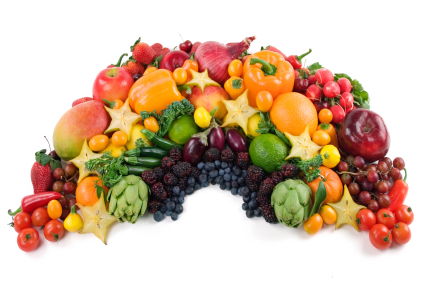
 Every new client to Coach Stacy’s Healthy U is treated to a pep talk of sorts as he or she begins the journey toward better health. We tout the importance of daily physical activity (“When you’re moving, you’re improving”), guide clients away from fads and extremes, and extol the virtues of balance and moderation. And we always encourage healthier food choices through increased consumption of fruits and veggies.
It’s true – the more colors you eat, the more nutrients you get. And so, as a general rule, we recommend that you fill half your plate at every meal with colorful fruits and vegetables. Eat the rainbow – and what a great time of year to get in the habit, with Farmers Markets and roadside produce stands cropping up everywhere. Fruits and vegetables contain essential fiber, vitamins, and minerals as well as numerous disease-fighting substances. What’s more is they’re low in calories and quite filling, so they actually help you lose weight. The choices are limitless:
Reds: Red fruits and veggies are rich in Vitamins A and C, as well as manganese, quercetin (to fight colds and flu symptoms), and lycopene (to prevent cancer). Try tomatoes, red peppers, red apples, pomegranates, strawberries, red grapes, radishes, watermelon, beets, pink grapefruit, cranberries, cherries, and rhubarb.
Oranges/Yellows: These foods provide Vitamins A, C and B6, plus potassium, manganese, and magnesium. Good choices include bananas, yellow squash, pumpkin, yellow peppers, sweet potatoes, oranges, cantaloupes, peaches, carrots, nectarines, pineapples, and corn.
Greens: Rich in Vitamin K, C and folic acid, these foods also contain powerful antioxidants that fight diseases and folate, which helps to maintain healthy blood. Look for zucchinis, broccoli, spinach, green apples, peas, romaine lettuce, kale, asparagus, honeydew melon, avocados, artichokes, celery, okra, kiwi, and green grapes.
Blues/Purples: These are the foods that provide flavonoids, which help to prevent short-term memory loss and maintain good cardiovascular health. They’re also excellent sources of Vitamin A and C and antioxidants such as anthocyanin pigments, which keep your skin looking healthy and your blood vessels strong. Try blueberries, purple grapes, plums, eggplant, blackberries, and purple cabbage.
Whites: The “plain Janes” of the fruit and vegetable world, white foods still pack plenty of Vitamin C and K as well as folate. Look for cauliflower, parsnips, onions, mushrooms, and potatoes.
Depending upon your age, gender, and activity level, it’s recommended that you consume 5 to 9 servings of fruits and vegetables each day for optimum health. The overwhelming majority of Americans don’t even come close to that goal and if you’re in that category, here are a few ideas to help you sneak a few extra servings in each day:
- Keep them handy. Raw fruits and vegetables make great snacks. Pack pre-cut servings in plastic bags or reusable containers and store them in the fridge so that you can grab them quickly when you need them. Each snack, then, provides a serving. Apple slices, berries and carrots are convenient choices.
- Eat fruits for dessert. They’ll satisfy your sweet tooth without adding to your waistline.
- Enhance your food with fruit – sprinkle it on your pancakes or cereal or stir it into your yogurt.
- Prepare vegetable dishes as your main dishes – experiment with stir fry and fancy salads.
- Sneak veggies into your meals by incorporating them into sauces, dips, sandwiches, and casseroles.
- Blend fruits and veggies into smoothies.
Ready to veg out and toot some fruit? Here are a few resources to assist you in “eating the rainbow” for optimum health:
Local Harvest: This is an outstanding website that will help you locate good sources of organic and locally grown produce. It’s the number one informational resource for the “Buy Local” movement. You can search the nationwide directory to find small farms and Farmers Markets in your area. The site also features unique recipes for a wide variety of fruits and vegetables.
Fruits and Veggies – More Matters: This is an initiative of the Product for Better Health Foundation, a nonprofit working to educate Americans about the obesity-fighting benefits of eating fruits and vegetables. More Matters encourages the simple concept of filling half of one’s plate at mealtime with fruits and vegetables.
 Cooking Light Pick Fresh Cookbook: Creating Irresistible Dishes From the Best Seasonal Produce – Rachel Quinlivan West, Editor
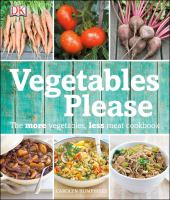 Vegetables, Please by Carolyn Humphries
 Sunset Edible Garden Cookbook: Fresh, Healthy Cooking From the Garden

 COACH STACY'S HEALTHY U