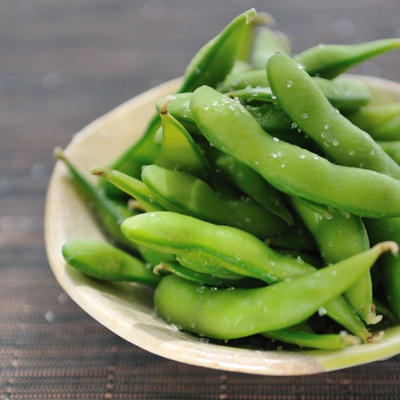
Q: About two years ago I became a vegetarian and started eating a lot of soy – tofu, soy burgers, soymilk on my cereal, and edamames for snacks. However, I heard recently that soy might actually be harmful to my health. Could you shed some light on this dilemma? – Denise; Pasadena, CA
A: In recent years, many have come to equate soy and soy food products as health food, largely due to pervasive and successful marketing by the soy industry, which has attributed everything from reduced risk of heart disease and osteoporosis to cancer prevention to the protein-rich legume. But Denise, the reality you’ll want to keep in mind is that not all soy is created equal – the difference between fermented and unfermented soy is key.
Fermented soy has been consumed in Asia for centuries. The slow fermentation process removes naturally existing toxins from the soybean. Here in the United States, however, most of the soy consumed – including soy milk and ice cream, soy chips, soy nuts, tofu, and soy burgers – is unfermented as well as genetically modified (GM) soy. This “bad” soy contains phytoestrogens, goitrogens, phytates, and hemagglutinin, and it’s this type of soy that has recently been associated with increased cancer risk, danger during pregnancy and developmental abnormalities, thyroid problems, digestive issues, immune system disorders, and impaired fertility. Soy may also reduce the efficacy of some prescription medications.
However, since organic soy does contain health-promoting nutrients and is an excellent source of non-animal protein and dairy, I don’t want to steer you completely clear of this popular little bean. Each person’s situation, dietary needs and body chemistry is different. So talk to your doctor or dietician about whether or not soy is right for your diet.

 COACH STACY'S HEALTHY U