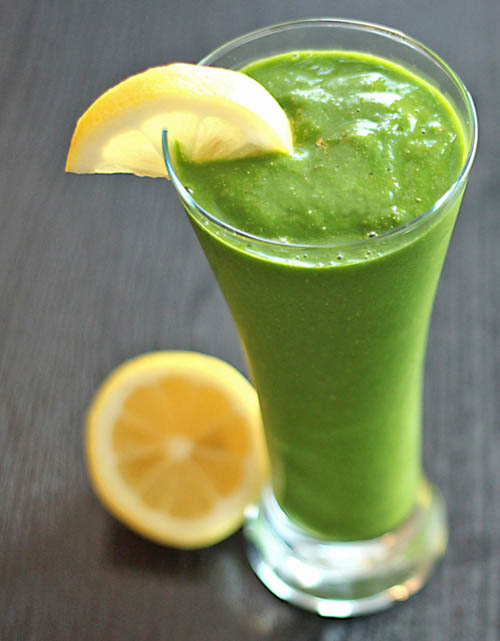
 “No desert until you’ve eaten your vegetables.”
I can’t tell you how many times I heard that pronouncement at the dinner table when I was a child. It was a sound rule, in theory. After all, it’s recommended that we consume at least five servings of fruits and vegetables per day for optimal health. Leafy green vegetables, in particular, are nutritional dynamos, packed with vitamins, minerals and phytochemicals, all of which fight disease. They also provide dietary fiber, which not only helps with digestion and regularity, but also helps keep cholesterol and blood sugar in check. And let’s not forget that leafy greens contain a lot of water, which of course, keep one hydrated and young looking.
Why, then, do so many Americans fail to get their five servings of fruits and vegetables per day? The reasons are varied. Many of us simply don’t like their taste and consistency. Others have never learned to cook or prepare them in a way that is flavorful and satisfying. And still others were perhaps conditioned at an early age to view vegetable eating as an unpleasant necessity to be carried out before the reward of dessert.
So in order to “sneak in” those five fruit and veggie servings each day, some of us attempt to add them stealthily into various recipes – we chop them into meat dishes, slide them into tomato sauces, and sneak them into breads and other baked goods. And in recent years the trend has been to blend them into smoothies.
Green Smoothies, in particular, have been widely touted as effective and nutritious alternatives to eating raw or cooked vegetables and fruits. They’re rich in vitamins and fiber, tasty and satisfying, easy to make, and very convenient. Green Smoothies aren’t, however, without their detractors. Critics argue that they tend to raise glucose levels. Many Green Smoothie recipes are also quite high in calories (200-700 per Smoothie), causing weight gain. And the high oxalate content in leafy green vegetables has led some to believe that consuming Green Smoothies causes the formation of kidney stones.
These arguments no doubt have merit if one were consuming an exclusive diet of Green Smoothies at the expense of other foods and food groups. Once again, it’s all about balance and moderation – eating healthy amounts of a variety of foods. For most people, Green Smoothies provide nutritious alternatives to raw or cooked vegetables and are even beneficial meal replacements when enjoyed occasionally or supplementally.
Are you new to art of concocting smoothies? Here are two Green Smoothie recipes to get you started:
Basic Green Smoothie (from www.yummymummykitchen.com)
½ cup vanilla almond, soy, or coconut milk
1 cup frozen pineapple pieces
1 cup frozen mango chunks
1 big handful fresh baby spinach
Variations:
- Add a small container of yogurt for added protein and calcium
- Add a scoop of your favorite vanilla protein powder
- Add 1 Tbsp of any of the following: chia seeds, flax seeds, natural flaked coconut, peanut or almond butter
Pour milk into a blender. Add pineapple, mango, and spinach. Cover with blender lid and blend to combine. If blender stops turning, add a little more milk. Add a couple of ice cubes to make the smoothie very cold and icy.
Per serving:
195 calories, 40 g carbohydrates, 2 g fat, 3 g protein
Groovy Green Smoothie (from www.allrecipes.com)
1 banana, cut in chunks
1 cup grapes
1 (6 oz) tub vanilla yogurt
½ apple, cored and chopped
1 ½ cups fresh spinach leaves
Place the banana, grapes, yogurt, apple and spinach into a blender. Cover and blend until smooth, stopping frequently to push down anything stuck to the sides.
Per serving:
205 calories, 4 mg cholesterol, 3.7 g fiber, 76 mg sodium, 45 g carbohydrates, 1.9 g fat, 6.1 g protein

 COACH STACY'S HEALTHY U