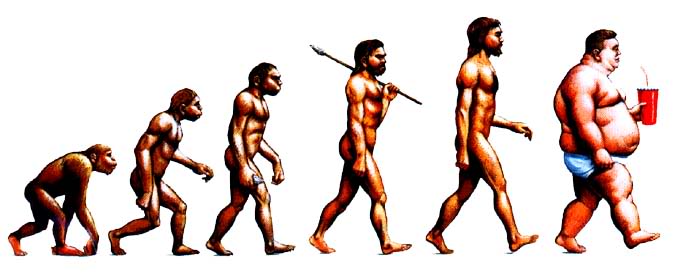
 The Paleo Diet is a throwback to our ancestors – our ancient ancestors, that is – 10,000 years ago during the Paleolithic era. Also known as the Cave Man or Stone Age Diet, the plan advocates the consumption of foods that ancient hunter-gatherers consumed, including grass-fed meats and poultry, fish, nuts, seeds, vegetables and fruits, and eggs. Excluded from the plan are all dairy products including milk and cheese, legumes, refined sugars and processed foods.
The Paleo Diet boasts many benefits, including:
- The fact that it encourages the consumption of plenty of fresh fruits and vegetables, foods that are loaded with vitamins and nutrients as well as soluble fiber.
- Its focus on protein consumption – and not just any protein. The Paleo Diet specifically calls for grass fed meats – which are lower in fat – as well as eggs and fish. Proteins, of course, are the building blocks of life and absolutely necessary for the maintenance and repair of the body’s cells and organs.
- The elimination of processed foods, refined carbohydrates and sugars, and trans fats, which are calorie-rich but lacking in nutritional value.
- Most people who try the Paleo Diet do tend to lose some weight.
However, the plan is not without its drawbacks, including:
- The elimination of entire food groups, such as dairy and legumes – which most mainstream nutritionists tend to eschew, since these foods are important sources of calcium, protein, Vitamin D, and fiber.
- The diet is widely believed to be too restrictive – and thus, impossible to maintain for long, leading to yo-yo dieting. Many report cravings for foods like potatoes and cheese, which are completely off limits under the Paleo plan.
- The heavy reliance on meat is problematic. Most mainstream nutritionists agree that 10-35% of our daily calories should be derived from protein. About 38% of daily calories come from protein under the Paleo Diet, a range that could prove taxing to the kidneys. What’s more, lean cuts of meat are expensive, while the fattier cuts tend to be associated with the development of cardiovascular disorders and other disease.
- Since processed foods are forbidden under the plan – which is a good thing – many find the plan too time consuming to follow for a long period.
The bottom line is that several of the principles underlying the Paleo Diet are quite sound. After all, there probably weren’t many overweight Cavemen, since Snickers bars, Pop Tarts, and Coke weren’t around during the Paleolithic era. However, the restrictions against whole grains, dairy products, and legumes are deal breakers for us.
A better plan? Incorporate the healthy aspects of Paleo. Go ahead and reduce the processed foods and refined sugars from your diet. But keep low-fat dairy, whole grains and beans. Choose lean cuts of grass-fed meats and fill your plate with plenty of fresh fruits and veggies. Oh, and get up and move – our ancient ancestors were anything but couch potatoes…
As always, check with your doctor prior to adopting any diet plan. And for more information on the Paleo Diet, check out the Paleo Diet Website as well as following resources:
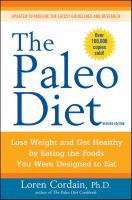 The Paleo Diet: Lose Weight and Get Healthy by Eating the Foods You Were Designed to Eat by Loren Cordain
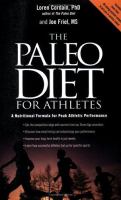 The Paleo Diet for Athletes: A Nutritional Formula for Peak Athletic Performance by Loren Cordain and Joe Friel
 Practical Paleo: A Customized Approach to Health and a Whole Foods Lifestyle by Diane Sanfilippo

 COACH STACY'S HEALTHY U