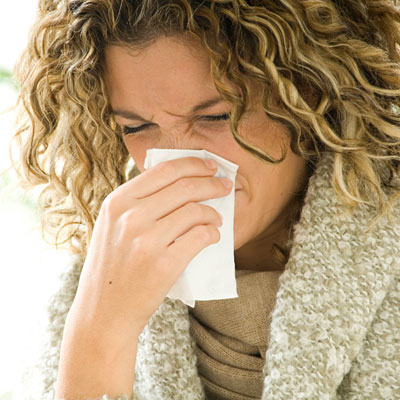
 Like it or not, the cold and flu season is upon us. Germs are lurking all around – in our colleagues, our customers, in public places and in the privacy of our own homes. In order to combat these germs, you’ll need this Ten Step Prevention Plan, which will help you stay in the game during cold and flu season.
Meet “Team Prevention”
1. Rest and Relaxation
When you’re run down, stressed and fatigued, you’re much more susceptible to colds and flu. What’s more is that once you catch a cold or the flu, stress seems to make the symptoms worse. Studies have shown that chronic stress and fatigue raises cortisol levels in the body, thus weakening your immune system and your ability to fight off and recover from a cold or the flu. Your goal, then, is twofold: keep stress under control and get plenty of rest. Throughout the day when you feel yourself tensing up and stress seems to be taking over, take a mini “stress vacation” by practicing deep breathing or visualizing a peaceful place. Also, take steps toward improving your sleep habits, if necessary, so that you’re getting 7 to 8 hours of sleep nightly.
2. Get Vaccinated
Flu season peaks between late December and early March so the CDC recommends getting a flu shot in October or November. If you’re leery of shots, you can opt to receive the flu mist instead. Within 2 weeks of the shot, antibodies develop and provide you protection against flu symptoms. Getting a good night’s sleep the day before is recommended as sleep boosts the effectiveness of the immunization.
3. Hands Clean, Hands off
This is extremely important for those of us who work with the public and share work spaces. The CDC recommends frequent hand/fingernails washing with soap and water for a minimum of 20 seconds or as long as it takes to sing a slow “Happy Birthday.” If soap and water are not readily available, use hand sanitizer with at least 60% alcohol. One more tip: Make sure you close the toilet when you’re finished using it, as germs can propel up to 20 feet from the toilet when you flush.
Not letting your hands rub your eyes and nose is not as easy as it sounds. In fact, the average adult touches his or her face 18 times per minute, and the average child 80 times per minute. Obviously, if you limit the number of times you touch your face, you limit the likelihood that you’ll infect yourself with the germs lurking in your workstation, on the grocery cart, on doorknobs and TV remotes. Live germs can live for 20 minutes to 2 hours on a surface. At work, your hands touch many items that carry germs so it’s a good idea to wipe down your work station and shared pens and pencils frequently. Be sure to wash your hands after you ride the light rail, the bus or an elevator or after you’ve opened a door. Also, if you’re washing your hands in a public place get your towel first and stash it under your arm while you wash. Then use it to open the door to the washroom as you leave.
4. Take Cover
When people sneeze and cough, they spread thousands of droplets that can potentially infect those around them when they land. Try to sneeze or cough into the crook of your elbow instead of your hands. Another option is to sneeze into a tissue – if you can grab one fast and throw it away immediately afterward. Also, if you see someone coughing or sneezing, move away and try not to walk into the path of their hacking so that the germs don’t land on you.
5. Sunshine and the Vitamin D-efense
Vitamin D is known as the sunshine vitamin and is found in foods such as fish, eggs, fortified milk and cod liver oil. The sun also contributes significantly to the daily production of vitamin D, and as little as 10-15 minutes two to three times per week of exposure is thought to be enough to prevent deficiencies. Though getting plenty of vitamin D — more than your diet can offer — appears to provide potent protection against colds, flu and even pneumonia, real sun exposure packs extra benefits. Vitamin D is the only vitamin that the body can manufacture itself. The only requirement is sunshine, specifically ultraviolet B rays. But the sunshine approach doesn’t work for everyone. Be sure to take a break and get outdoors for a little while each day, as fresh air and sunshine are healthy for you. In fact, whenever possible, let some fresh air in during the winter months to blow out the germs that circulate in crowded rooms.
The Big D’s major job is to maintain normal blood levels of calcium and phosphorus. Vitamin D aids in the absorption of calcium, helping to form and maintain strong bones. Recently, research shows vitamin D may provide protection from osteoporosis, hypertension (high blood pressure), cancer, and several autoimmune diseases. Vitamin D is listed in most multivitamins, usually in strengths from 50 IU (International Units) to 1,000 IU as soft gels, capsules, tablets and liquids. Adult recommendations are 5 micrograms (200 IU) daily for all individuals under the age of 50. For individuals 50-70 years of age, 15 micrograms daily (600 IU) is suggested. The upper limit for vitamin D has been recommended as 2,000 IU daily due to toxicities that can occur when taken in higher doses.
6. Physical Activity
Being physically active is one of the best ways Americans of all ages can improve their health. Research has established a link between moderate, regular exercise and a strong immune system. Studies report that recreational exercisers reported fewer colds once they begin running. Moderate exercise is linked to a positive immune system response and a temporary boost in the production of macrophages, the cells that attack bacteria. It is believed that regular, consistent exercise can lead to substantial benefits in immune system health over the long term. Recent studies have shown that there are physiological changes in the immune system as a response to exercise. During moderate exercise, immune cells circulate through the body more quickly and are better able to kill bacteria and viruses. After exercise ends, the immune system generally returns to normal within a few hours, but consistent, regular exercise seems to make these changes a bit more long-lasting.
7. Healthy Eating
Eating a well balanced, healthy food diet is not only good for your overall health, but it boosts your immune system. There are many healthy foods that can help you fight off the flu and other viral infections, but in general the best foods you can consume are those that are as close to their natural state as possible. Foods that are highly processed lose most of their nutritional value. Tune in later this week for healthy eating tips for combating colds and the flu.
8. Operation Hydration
Survival is dependent upon water. You can survive for weeks without food – but you’ll die within days without water. Water makes up approximately 65% of our body weight: 20% of our bones, 70% of our brains, 75% of our muscles, and 80% of our blood is made up of water. A loss of more than 10% poses a significant health risk and a loss of 20% will result in death. The body’s need for water is second only to oxygen, as it flushes out your system, washing out toxins. And frankly, proper hydration helps to keep wrinkles at bay. A typical, healthy adult needs the equivalent of eight 8-ounce glasses of water each day. How can you tell if you’re getting enough liquid? If the color of your urine runs close to clear, you’re getting enough. It it’s deep yellow, you need more.
9. Probiotics
Some studies have shown that eating a daily cup of low-fat yogurt can reduce your susceptibility to colds by 25%. Researchers think the beneficial bacteria in yogurt may stimulate production of immune system substances that fight disease. If you do not like yogurt you can purchase probiotics in pill form with the beneficial bacteria in it.
10. Limiting Alcohol
Heavy alcohol use destroys the liver, the body’s primary filtering system, which means that germs of all kinds won’t leave your body as fast. Heavier drinkers are more prone to initial infections as well as secondary complications. Alcohol also dehydrates the body, which slows the flushing away of toxins.

 COACH STACY'S HEALTHY U