COACH STACY'S HEALTHY U

When you're moving, you're improving!

  • About
  • Camp GO™
  • Class Schedules
  • Contact Us
  • We Play It Forward

Share the Road

Posted by Debby Ridgell on August 25, 2012
Posted in: Physical Activity. Tagged: bicycling, share the road, USA Pro Challenge. 4 Comments

The USA Pro Cycling Challenge started earlier this week down in southwest Colorado.  The 7-stage, 683-mile race has wound its way through nine Colorado mountain passes.  The teams spun a couple of laps through Golden today, and are now heading up the hill to Boulder and Estes Park before culminating the race in downtown Denver tomorrow.  The enormous crowds that have turned out throughout Colorado to observe the previous five stages are indicative of the enthusiasm with which Coloradans embrace cycling as both a sport and a commuting choice.  And why not?  The benefits of cycling are many:

  • It’s efficient – riding your bike for short trips saves you time.  In the time a motorist scopes out a parking space and walks through the parking lot of your local grocery store, you will have already zipped into the store, purchased your milk and ridden away.
  • It’s economical – the cost of operating a bike is about a nickel per mile.  The average cost of a gallon of gas is close to $4 in some parts of the country.  You do the math!
  • It’s enjoyable – you have the opportunity to enjoy your natural surroundings, plus you don’t experience the frustrations of commuting and traffic.
  • It’s healthy – aside from the benefits of weight loss, a UCLA study found that bicycling relaxes the central nervous system, improves mood and blood pressure and sharpens mental acuity.  Driving, on the other hand, raises our blood pressure.
  • It’s good for the environment – according to the Colorado Department of Transportation, bicycling a four-mile round trip prevents nearly 15 pounds of auto air pollution from contaminating our air.

The Colorado Department of Transportation has developed the “Share the Road” campaign, an innovative program designed to promote road safety between walkers, bikers, skaters and skateboarders, and motorists.  Many states have developed a similar set of guidelines.  Following are a few tips and rules of the road to help make your next bicycle excursion safe and enjoyable:

  • Before you begin, check your breaks and gears for proper working condition and grab your helmet.
  • Ride in the right lane with the flow of traffic, about 18 inches from the curb.
  • Ride in a straight line; don’t ride in the crosswalk and suddenly reappear again.  Scan ahead about 40 feet.
  • If there’s no shoulder on the road, ride your bike in the center lane so that you’re more visible.
  • Riding 2 abreast is okay, but only if no motorized vehicle is approaching within 300 feet in front or behind you or if you’re on an exclusive bike path.
  • Don’t pass on the right.  You need to be behind a motorist where you can see turn signals.
  • Obey traffic signs and signals.
  • Use proper hand signals.  Signal 100 feet before your turn and if you’re waiting at a stop, keep signaling until you’ve completed your turn.
  • Never ride double – one rider per bike, unless it’s a bicycle built for two.
  • It is against the law to attach yourself (whether you’re on a bike, skates or skateboard) to a moving vehicle.
  • The law requires that if you’re riding in the dark your bike must be equipped with reflectors on both sides that can be seen from 600 feet away.
  • Be aware of road hazards such as sand, gravel, snow, and ice.  Parked cars can be especially hazardous and you should stay a car door’s width away from parallel parked cars.  Avoid at all times irate dogs and motorists.
  • Check your community’s ordinances before riding on the sidewalk.  If you do ride on the sidewalk, be sure to give an audible passing signal when passing pedestrians (say, “Passing on your left” and ring your bell if you have one).
  • Yield to pedestrians under all circumstances.  They have the right of way, whether the crosswalks are marked or not.

Motorists have another set of responsibilities:

  • Take extra care when backing out of driveways and driving through alleys to watch for pedestrian and bicycle traffic.
  • Allow three feet between your vehicle and a bicycle.
  • If you must honk, do so from several hundred feet in advance so as to avoid startling the bicyclist.
  • Be aware of cyclist’s whereabouts and intentions before turning.
  • Yield to pedestrians under all circumstances.

More and more communities nowadays are building shared-use paths, suitable for motorists, cyclists and pedestrians alike.  Signs will indicate the designated use of each path, whether for walking only, or multi-use.  Because of this, you need to know who yields to whom:

  • Bicyclists, skaters, walkers and others all yield to equestrians and other animals.
  • Bicyclists and skaters yield to walkers
  • Bicyclists yield to skaters
  • Downhill users yield to uphill users
  • Faster users yield to slower users

Being prepared is crucial to the success and enjoyment of your trip, whether you’re walking or bicycling.  Here’s a checklist of items recommended for your outings:

  • Helmet, if biking (wearing a helmet can reduce brain injury by 88%)
  • Water and nonperishable snacks
  • Sun block, sunglasses, and headwear to block the sun
  • Rain gear – watch for lightning and get away from your bike if lightning is close by
  • Bike tools for quick repairs.  Also schedule your bike for regular maintenance, the same way you would for your car.  Carry a small pump and treat your tires with a tire sealant (Slime) that helps tires self seal after minor punctures
  • A change of clothes and toiletries, if commuting to and from work
  • You might equip your bike with a front basket or saddle baskets to carry your bags and packages

So that’s your refresher course in how to share the road.  As Coach Stacy always says, “When you’re moving, you’re improving”…..and now you’re saving gas, too!

Share this:

  • Share on X (Opens in new window) X
  • Share on Facebook (Opens in new window) Facebook
  • Share on LinkedIn (Opens in new window) LinkedIn
  • Share on Pinterest (Opens in new window) Pinterest
  • Print (Opens in new window) Print
  • Email a link to a friend (Opens in new window) Email
  • Share on Reddit (Opens in new window) Reddit
  • Share on Tumblr (Opens in new window) Tumblr
Like Loading...

Coach’s Daily Dose: Strength Training 101

Posted by Coach Stacy on August 21, 2012
Posted in: Ask Coach Stacy, Physical Activity. Tagged: resistance training, strength training, working out. Leave a comment

“Fitness – if it came in a bottle, everybody would have a great body.”  – Cher

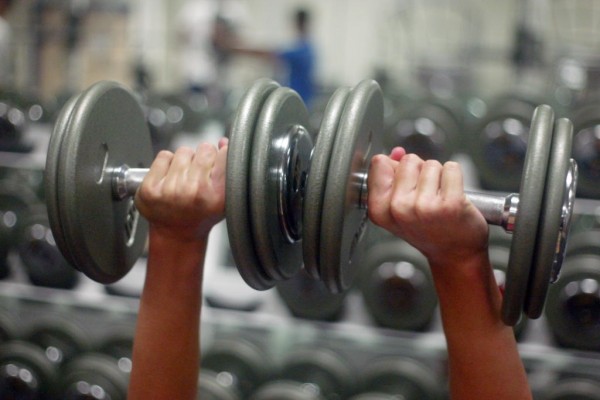
Cher’s right – we’d all be fit if it were just a tad bit easier to achieve.  But actually, staying in shape nowadays is really not all that difficult.  It just takes a little time and determination.  Legend has it that in ancient Greece a wrestler named Milo of Croton did his strength training by carrying a newborn calf around his neck every day till it was full grown. Fortunately, for us, strength training is much less grueling – and no calves are required. In fact, your body weight and a few simple pieces of equipment are all you need to work out, if you’re willing to commit to a regular regimen.

A myriad of strength training workouts are available as are the methods of resistance you can choose, including dumbbells, barbells, free weights, bands, balls, machines as well as your own body weight.  If you belong to a gym the variety of equipment can be overwhelming but with the right preparation, you’ll find that a full service gym is a wonderful fitness venue.  But even if the cost of a gym membership is prohibitive, there is no excuse for not working out.  Your own body weight supplies ample resistance for performing such exercises as planks, pushups, squats, lunges, and crunches. And all of these exercises can be modified to fit your fitness level and ability even if you have physical limitations or restrictions.  Age is also no excuse for not exercising; you are never too old to exercise but you are always too young to die.

Strength training offers many physical, psychological and emotional benefits. Muscle mass begins to decrease by age 20, a deterioration that is hastened if we are inactive. Likewise, at this year’s Alzheimer’s Conference it was reported that resistance training was shown to be key in preventing Alzheimer’s disease.  Additional benefits of strength training include:

  • Development of stronger bones and decreased risk of osteoporosis.
  • Increased muscle mass.
  • Efficient calorie burn.  Muscle is metabolically active and burns more calories than fat.
  • Improved physical stamina and endurance.
  • Prevention and controlled symptoms of chronic conditions such as Alzheimer’s, arthritis, depression, diabetes, back pain, osteoporosis and obesity related issues.
  • Improved mental focus and memory.
  • Daily tasks and chores become easier.
  • Stress relief.
  • Improved self confidence.

Take charge of your health and get started, or encourage a loved one to pursue a strength training program.   Before you begin any exercise program you should check with your physician, particularly if you have any health issues that concern you. I also recommend that you consult with a Personal Trainer for a few sessions to get you started on the right track.  A Personal Trainer can outline a tailor-made workout program that would uniquely fit your needs.

For beginners just starting out, I recommend one set of 10-15 repetitions of each body part per session for the first week. For those already fit, two to three sets of 8-15 repetitions are recommended. Once two sets of 15 become easy, increase your weight by 2-5 pounds and add a third set.  And a general rule of thumb is that if time is a factor, one good set of all muscles worked is better than none.

Below is a sample beginner routine that includes all parts of the body. Choose one exercise from each subset.  Some exercises can be done with just dumbbells, while others require resistance bands and machines.  When is the best time to work out?  It’s the time of day you’ll actually commit to it! Some people find mornings best because they get too busy and tired to work out later in the day. It you’re a night owl, you might prefer working out in the evenings. Find a time that works for you and do it.  Enlist a workout buddy – someone who has the same goals and schedule, and you will be less likely to skip workouts.  I also recommend group strength training as a fun and entertaining avenue to fitness. I teach group classes and my students report feeling a great sense of exercise camaraderie.  They enjoy chatting with each other between sets and many have become great friends outside of class.

Here is how to get started with your Prescription for Exercise:

  • Set your goals and write them down.  Post a picture to motivate you towards your goal.
  • Select exercises recommended for you by your Personal Trainer or doctor.
  • Always do a light active warm-up prior to your workout.  Stretch after your workout, not before.
  • Determine the frequency and order of exercises.
  • Evaluate the intensity, or how much weight you need for each exercise.
  • Determine the amount of time you want to spend working out – how many sets and reps you want to perform.
  • Plan for rest periods and water breaks – a minimum of one minute between each set.
  • Learn and ask when to add some variations and progressions.

Sample Beginner Routine

Back

Lat Pull down machine

Dumbbell row

Resistant band standing rows

Seated row

Chest

Bench or floor chest press

Seated chest press

Dumbbell chest press

Resistant band chest press

Bent knee pushups

Arms

Bicep curl – single or double arms with dumbbells or resistance bands

Triceps pushdowns or triceps kickbacks with dumbbells or resistance bands

Triceps bench dips

Lateral side shoulder raises with dumbbells or resistance bands

Front shoulder alternating arms raises

Dumbbell overhead alternating arms shoulder presses

Legs

Seated leg press

Seated leg extension

Lying floor straight leg lifts

Standing squats

Bench step ups

Lunges

Abs

Front plank hold for 30 seconds

Seated floor bicycle legs

Sit ups with bent knees

Reverse sit up

Everyone loves the way “fit” looks and feels. I want you to experience and notice your body’s morphing into a Healthy U.  Just remember, “When you’re moving, you’re improving.” So go get fit already!

Share this:

  • Share on X (Opens in new window) X
  • Share on Facebook (Opens in new window) Facebook
  • Share on LinkedIn (Opens in new window) LinkedIn
  • Share on Pinterest (Opens in new window) Pinterest
  • Print (Opens in new window) Print
  • Email a link to a friend (Opens in new window) Email
  • Share on Reddit (Opens in new window) Reddit
  • Share on Tumblr (Opens in new window) Tumblr
Like Loading...

Letting Go

Posted by Coach Stacy on August 18, 2012
Posted in: Motivation. Tagged: empty nest, parents of college students. 16 Comments

So many firsts. 

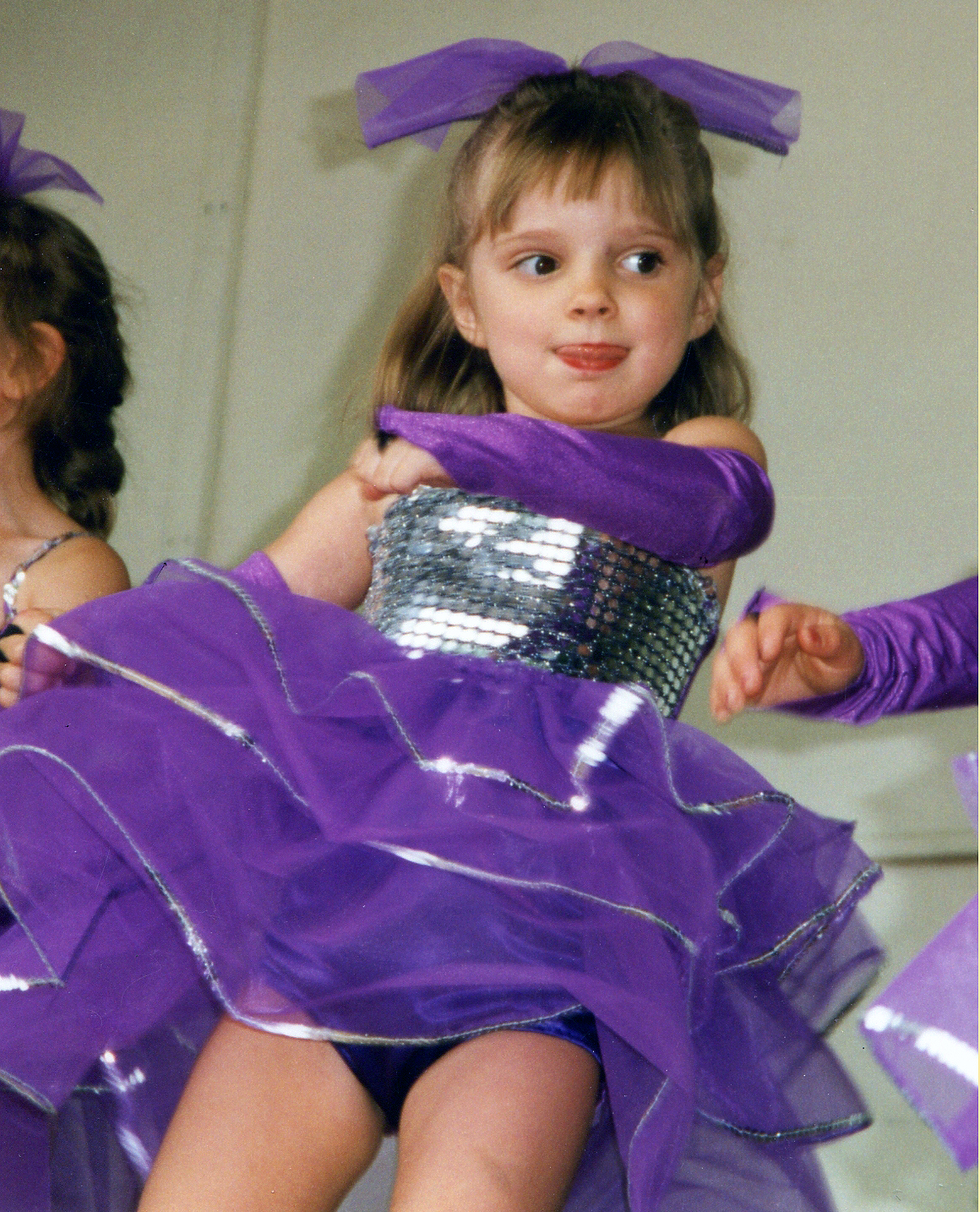
I remember letting go of her when she took her first steps – she, bold and purposeful and me, tentative and worried, painfully aware that this walking thing was only the beginning.  Then there was the first day of school – she, eager and excited and me, a bit misty eyed because I didn’t want her to leave me, yet knowing she had to in order to grow.  I remember the first time she rode her bike without training wheels, because she was a big girl and didn’t need the wheels anymore.  And then the first time we let her drive to school on her own – and Joe and I praying that identical plea that God would deliver her safely home.  I remember how proud we were when she got into her first choice for college and then made the Texas State Strutters dance team.  I remember taking her to college and moving her into her dorm and hugging her goodbye because it was time for her to grow some more. And I cried, not just from sadness, but from the joy of seeing her flying proudly on her own.

Letting go of my daughter Presley has always been so difficult, and never more so than seeing her off to college.  I guess I had never realized how much Motherhood had defined me.  Suddenly, no more homework to supervise, or dance competitions, or carpools.  No more peanut butter and jelly sandwiches or sleepovers.  No more science projects or proms.

What on earth would Joe and I do with ourselves?

At first, it pained me to even walk by her room.  I imagined the pitter patter of her little feet and visualized her dancing in front of her mirror.  Then on one particularly difficult day, I wandered in and lay on her bed, the smell of her still present on her blanket and pillow, and I cried for a long time.  Eventually, our dog Baxter found me in her room and jumped up on the bed and licked away my tears.  In his own little way he was telling me it would be okay. 

Thus began another first for Joe and me – our first years as empty nesters.  The house is a bit quieter these days, yet our lives are anything but empty as we’ve begun tackling projects around the house and new work demands.  Joe and I have embraced this next chapter in our lives and we’re having a blast with our role as college parents, flying down whenever we can to Texas State to watch the Strutters perform at football games.  

Presley is thriving in college but every time we leave her to come home to Colorado, I remind her of “the list” – the same ten things I’ve told her over and over again for years, and to which she’s always responded, Got it, Mom:

  1.  Always lock your doors first – those in your car, and your doors at home.
  2. Pay attention and be aware of your surroundings, whether at home, out shopping, at school or at parties.
  3. Love and respect yourself. Recognize and celebrate your strengths and positive qualities.  Don’t dwell on the negative. 
  4. Manners always matter. You can never thank people enough! You can never be too kind!
  5. Always have a game plan and a backup plan. If you fall, get back up and try again. Life’s greatest lessons come to us in the most difficult moments. God is with you.
  6. A good attitude can take you places and make life much more enjoyable. You have two choices every day when you wake up: to have a good day or a bad day. Your call.
  7. Find your passion; live it and work it.
  8. The more colors you eat, the more vitamins you get!  Stay active and nourish your spirit.
  9. Serve others with your gifts and talents – you have so many! Peter 1, 4:10 – “Remember you have much to be grateful for and be there to lift those up that need a hand.”
  10. Speak up for yourself. Do not shy away from being the lead dog – you have it in you to lead.  Choose your friends carefully and make them those who strengthen your character and values.

Take the Lead with your thoughts – they become your words

Take the Lead with Your words – they become your actions

Take the Lead with your actions – they become your habits

Take the Lead with your habits – they become your character 


Presley will be celebrating her 20th birthday this weekend and it will be her first birthday without her Mom and Dad.  And so we want to say we love you, Presley, and we’re so very proud of you!  Happy Birthday!

Share this:

  • Share on X (Opens in new window) X
  • Share on Facebook (Opens in new window) Facebook
  • Share on LinkedIn (Opens in new window) LinkedIn
  • Share on Pinterest (Opens in new window) Pinterest
  • Print (Opens in new window) Print
  • Email a link to a friend (Opens in new window) Email
  • Share on Reddit (Opens in new window) Reddit
  • Share on Tumblr (Opens in new window) Tumblr
Like Loading...

Coach Stacy’s Ten Commandments of Gym Etiquette

Posted by Debby Ridgell on August 14, 2012
Posted in: Physical Activity. Tagged: gym etiquette, gym rules, strength training. 2 Comments

You’re probably familiar with table etiquette and gift giving etiquette, even email etiquette.  But did you know there’s a unique world of propriety by which muscle-heads live?  This week Coach Stacy and I will be covering the health benefits of strength training and wanted to share those rules of the gym with you here:

  1. Thou shalt not hog a single piece of equipment or hover around those in the middle of a set – share the gym with others.
  2. Thou shalt not offend others with foul language or loud conversations – including cell phone conversations.
  3. Thou shalt remember to rack your weights and return equipment so it’s safely out of the way.
  4. Thou shalt treat other members with courtesy; respect others’ space.
  5. Thou shalt not drop weights or otherwise mishandle equipment.
  6. Thou shalt lift safely, using common sense and avoiding horseplay, and request and provide spotting as needed.
  7. Thou shalt wipe down equipment after sweaty workouts.
  8. Thou shalt wear proper clothing and practice personal hygiene in the gym.
  9. Thou shalt not distract, interrupt or walk in front of others in the middle of an exercise.
  10. Thou shalt keep personal items such as cell phones, bags and outer wear safely locked up or out of the way.

Tune in later this week to find out how to look fit and healthy through strength training.

Share this:

  • Share on X (Opens in new window) X
  • Share on Facebook (Opens in new window) Facebook
  • Share on LinkedIn (Opens in new window) LinkedIn
  • Share on Pinterest (Opens in new window) Pinterest
  • Print (Opens in new window) Print
  • Email a link to a friend (Opens in new window) Email
  • Share on Reddit (Opens in new window) Reddit
  • Share on Tumblr (Opens in new window) Tumblr
Like Loading...

Ask Coach Stacy: A Healthier PB&J?

Posted by Coach Stacy on August 9, 2012
Posted in: Ask Coach Stacy, Coach's Kitchen, Diet & Nutrition. Tagged: healthy peanut butter and jelly, healthy sandwiches, reduced fat peanut butter. 2 Comments

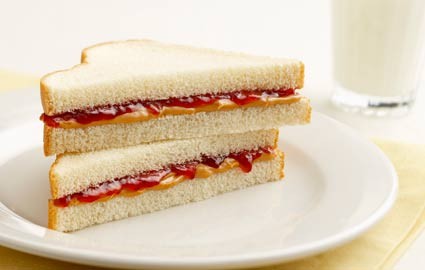
Q:  Thanks for that sandwich post last week.  My favorite sandwich – and I’ve been eating it since I was a preschooler – is peanut butter and jelly.  But I read recently that the average PB&J is around 400 calories.  Is that because of the fat in the peanut butter?  And would low-fat peanut butter be a healthier alternative?   – Cindy, Lubbock

A:  You’re right about the high calorie content of peanut butter and jelly sandwiches – and most people don’t just eat the sandwich.  The meal calories climb considerably higher when you add a beverage and chips to the lunch bag.  And of course, a lot depends on what kind of bread is used and how thick you like to spread the peanut butter and the jelly.  However, one thing you DON’T want to do is switch to reduced fat peanut butter.  The fat in the peanut butter is actually the healthy, unsaturated variety.  Reduced-fat spreads replace the healthy fat with maltodextrin, which is an empty carbohydrate that’s high in sugar and has no redeeming nutritional value.  Try instead an all-natural peanut butter with no added oils or sugars and perhaps spread a little less on your bread.  Also, use whole grain bread and a jelly or jam that is all-natural with no added sugars. 

You might also try this outlandish – but delicious – PB&J Sandwich Makeover (from Alison Ladman, Associated Press):

1 Tbs instant oatmeal

3 Tbs nonfat milk

Pinch of salt

1 Tbs natural, unsalted peanut butter

¼ cup chopped fresh berries, chopped

2 tsp all-fruit spread

2 slices multigrain or whole-wheat bread

In a small microwave-safe bowl, combine the oatmeal, milk and salt.  Microwave on high for 1 minute or until boiling.  Allow to cool for 5 minutes then stir in the peanut butter.  In another small bowl, stir together the berries and fruit spread.  Spread the peanut butter-oatmeal mixture on one slice of bread and the fruit mixture over it.  Top with the second slice of bread.

Per Serving:

270 calories, 80 calories from fat, 9 g fat, 0 mg cholesterol, 42 g carbohydrates, 11 g protein, 10 g fiber, 420 mg sodium

Share this:

  • Share on X (Opens in new window) X
  • Share on Facebook (Opens in new window) Facebook
  • Share on LinkedIn (Opens in new window) LinkedIn
  • Share on Pinterest (Opens in new window) Pinterest
  • Print (Opens in new window) Print
  • Email a link to a friend (Opens in new window) Email
  • Share on Reddit (Opens in new window) Reddit
  • Share on Tumblr (Opens in new window) Tumblr
Like Loading...

Pickles for Life; or Too Much of a Good Thing

Posted by Debby Ridgell on August 7, 2012
Posted in: Coach's Kitchen, Diet & Nutrition, Healthy Recipes. Tagged: gardening, things to do with cucumbers. Leave a comment

Morning dawned crisp and clear last Saturday, perfect for some early cardio before heading off to work.  Two blocks from home I passed a lot that had recently been converted to a community garden in which there was a surprising hum of activity for so early in the morning.  A dozen or so cheerful gardeners in broad straw hats filled bushel baskets and reusable sacks with a succulent variety of ripe vegetables – squashes, tomatoes, spring onions, kale, spinach, peas and cauliflowers.  I nodded to several and said my “good mornings,” marveling at how healthy and lovely the fruits of their labor looked.  However, as I approached the end of the lot, one lone gardener stared at his parcel in obvious dismay. 

“I’ll be in pickles for life,” he mumbled, wiping his brow and scratching his head.

“Pardon me?” I asked, not sure if he was talking to me.

“Oh….sorry.  It’s just…..what am I gonna do with all these cucumbers?” 

Laid out before him was a meandering row of cucumber plants and what looked to be hundreds of ripe, green cucumbers ready for harvesting.

“One measly row – that’s all I planted.  I mean, I’m kind of new to this gardening thing.  I figured half of them wouldn’t survive, with all the rabbits and squirrels running loose around here.”  He sighed, “I mean, really, what can I possibly do with all these cucumbers?”

I shrugged and turned to resume my jog.  “Pickles aren’t so bad,” I said.  But before I could make my escape the gardener side-stepped in front of me holding up two fists of cucumbers.

“Wait.  Take some.  Please.  Just one basket….or two.   I just can’t deal with this many cucumbers.”

An unsettling look came over the man.  Maniacal, almost.  And his hands began to shake.  Instinctively, I started backing away.

“Um, no.   Really, I’m just out for a quick jog.  I wouldn’t have the faintest idea what to do with all those cucumbers,” I said and turned quickly and scooted away.  About a block away I stole a glance over my shoulder.  That crazy gardener was still standing there, cucumber –laden hands outstretched in my direction. 

Forty minutes later I returned home to find a bushel basket of cucumbers perched on my front porch.  In that instant, two alarming questions rushed simultaneously to mind:  How did he know where I live? And what can I possibly do with all these cucumbers?

It was time for some research.  Turns out, cucumbers are remarkably versatile.  Not only are they surprisingly nutritious vegetables and excellent sources of Vitamins A, B, C and K as well as Pantothenic Acid, Magnesium, Phosphorus, and Manganese, but they are also the main ingredient in several useful household and beauty remedies many of which I’m sharing for you here – 12 things you can do with the garden variety cucumber:

  1. Cucumber Tomato Salad:  Slice and quarter two large tomatoes.  Peel and slice one large cucumber.  Chop four green onions.  Mix these together and set aside.  In a small bowl, combine 1 Tbsp sugar, 1 tsp salt, and ¼ tsp pepper. Whisk in 1/3 cup cider vinegar and 1 cup water.  Pour this mixture over the vegetables and toss.  Refrigerate for 4 hours, and then serve.
  2. Treat that Hangover:  If you’ve had a bit to drink, try eating a few slices of cucumbers before going to bed.  The cucumbers help to restore many of the vitamins and nutrients that you lose when drinking  alcohol and allow you to wake up the next day headache free.
  3. Cucumber Water:  Add a few cucumber slices to an icy cold pitcher of water for a refreshing beverage.  The water is great for you and the cucumbers also act as a diuretic which helps you reduce water weight.
  4. Fried Cucumbers:  Peel and slice two cucumbers.  Roll them in cornmeal and fry them in olive oil for a delicious treat.
  5. Cucumber Soup: Here’s a refreshing treat on a hot summer’s evening.  Peel and chop two cucumbers.  Puree with one cup each of plain, low-fat yogurt and sour cream.  Add a cup of chicken broth, along with salt, pepper, garlic powder and dill to taste.  Mix it all together and refrigerate for two hours before serving.
  6. Cucumber Sandwiches: A perfect shower or tea party treat.

White bread

½ cup of low-fat cream cheese

1 thinly sliced cucumber

Lemon juice to taste

Salt and pepper to taste

Dried parsley or chopped fresh chives to taste

Spread two slices of bread evenly with cream cheese.  Cover one piece of bread with cucumber slices.  Season with lemon juice and seasonings.  Press the slices together, cut off the crusts, and slice the sandwich diagonally two times to create four triangular finger sandwiches.

  1. Energize:  Instead of reaching for a coffee or soft drink in the middle of the afternoon, eat a few slices of cucumber.  Loaded with B-vitamins and healthy carbs, cucumbers will perk you right back up without the negative effects of caffeinated beverages.
  2. Banish Bags Under the Eyes:  This is an ages-old beauty secret.  Since cucumbers are comprised largely of water, they have a hydrating effect and tend to alleviate dark, puffy bags that form under the eyes.  They’re most effective when used right out of the frig because they’re colder than the skin and therefore reduce the puffiness.
  3. Cucumber Bite Appetizers:  A yummy appetizer for any occasion.

4 ounces of low-fat cream cheese

½ Tbs freshly squeezed lemon juice

½ tsp dried Italian seasoning

1 large clove of garlic, minced

1 large cucumber, sliced slightly diagonally

½ cup prepared hummus

1/3 cup chopped tomato

¼ cup chopped Kalamata olives

¼ cup crumbled feta cheese

2 Tbs chopped green onions

In a mixing bowl, cream together cream cheese, lemon juice, Italian seasoning and garlic until smooth.  Scoop heaping teaspoonsful of the mixture onto cucumber slices and spread.   Spoon a little hummus on top of the cream cheese and sprinkle with tomato, olives, feta and green onion.  Serve cold.

  1. Exfoliating Cucumber Bath Scrub:  A popular scrub for hot summer days.

¼ cup fresh, chopped cucumber

1 Tbs fresh mint leaves

Zest and juice of 1 lime

1 ounce cucumber seed oil

¼ tsp essential peppermint oil

½ cup Dead Sea Salt, fine

Combine the first four ingredients in a blender or food processor until well pureed.  Transfer to a small bowl and add the last two ingredients.  Mix well the use immediately.

  1. Cucumber Smoothies:  Blend together a sliced cucumber, 3 cups honeydew melon, 3 cups of ice cubes and some fresh mint.  Garnish with mint and a slice of cucumber.
  2. Make Pickles:  Try that recipe handed down by your grandmother or check out these basic pickling instructions and recipes from www.pickyourown.org.

Share this:

  • Share on X (Opens in new window) X
  • Share on Facebook (Opens in new window) Facebook
  • Share on LinkedIn (Opens in new window) LinkedIn
  • Share on Pinterest (Opens in new window) Pinterest
  • Print (Opens in new window) Print
  • Email a link to a friend (Opens in new window) Email
  • Share on Reddit (Opens in new window) Reddit
  • Share on Tumblr (Opens in new window) Tumblr
Like Loading...

Coach’s Kitchen: Grab and Go Sandwiches for Busy Students

Posted by Debby Ridgell on August 2, 2012
Posted in: Coach's Kitchen, Diet & Nutrition, Healthy Recipes. Tagged: recipes for college students, sandwich recipes. 1 Comment

These recipes are great for make-ahead lunches that you can grab quickly from the frig before heading off to class.

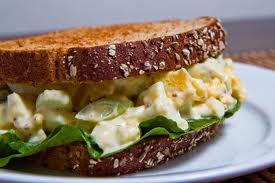
Easy Egg Salad Sandwich from www.simplyrecipes.com

1 hard boiled egg*, peeled and chopped

1-2 Tbs low fat mayonnaise (to taste)

2 Tbs chopped celery

1 Tbs chopped green onion

Dash of curry powder (to taste)

Salt and Pepper (to taste)

1 leaf of lettuce

2 slices of wheat or rye bread

*To make hard boiled eggs, place a few eggs in a sauce pan, and cover with two or more inches of water.  Add a half teaspoon of vinegar and some salt to the water (if the shells crack while boiling, the vinegar will help keep the egg in the shell).  Cover the pan and bring the water to a boil.  As soon as the water begins to boil, remove the pan from the heat, and let it sit covered, for 12 minutes.  Drain the water from the pan, add cold water to cool the eggs, and let sit for a couple of minutes longer. 

Mash up the chopped egg with a fork.  Mix together the chopped egg, mayonnaise, celery and onion.  Sprinkle with salt and pepper and curry powder to taste.  Mix with a spoon.  Put lettuce on one piece of bread, then spread egg mixture on top.  Top with second slice of bread.

**********************************************************************

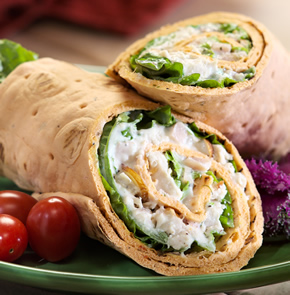
Rosemary Chicken Salad Wraps

3 cups roasted, skinless, boneless chicken breasts

1/3 cup chopped green onions

¼ cup chopped smoked almonds

¼ cup plain fat-free yogurt

¼ cup low fat mayonnaise

½ tsp rosemary

1 tsp Dijon mustard

1/8 tsp salt

1/8 tsp pepper

5 lettuce leaves

5 whole wheat tortillas

Combine first 9 ingredients and stir well.  Line a tortilla with a lettuce leaf and spread about 2/3 cup of chicken mixture on top of the lettuce.  Roll the tortilla into a wrap and slice in half.

Share this:

  • Share on X (Opens in new window) X
  • Share on Facebook (Opens in new window) Facebook
  • Share on LinkedIn (Opens in new window) LinkedIn
  • Share on Pinterest (Opens in new window) Pinterest
  • Print (Opens in new window) Print
  • Email a link to a friend (Opens in new window) Email
  • Share on Reddit (Opens in new window) Reddit
  • Share on Tumblr (Opens in new window) Tumblr
Like Loading...

Coach’s Daily Dose: Hot Stuff – Both You and the Weather!

Posted by Coach Stacy on July 31, 2012
Posted in: Coach's Daily Dose, Physical Activity. Tagged: heat illnesses, hot weather workout strategies, working out in hot weather. Leave a comment

Here in Colorado, as in many parts of the nation, we’re still in the throes of a prolonged heat wave.  But don’t let the high temperatures cause you to miss any workouts.  Keep reading for a little “beat the heat” know-how, so that you’ll be lean and strong when crisp fall temperatures arrive.

  1. Operation Hydration – Be sure to stay hydrated while working out in the heat.  Water makes up approximately 65% of our body weight: 20% of our bones, 70% of our brains, 75% of our muscles, and 80% of our blood is made up of water.  A loss of more than 10% poses a significant health risk and a loss of 20% will result in death. The body’s need for water is second only to oxygen.  Plus, drinking water keeps the wrinkles away!  Now that’s hydration motivation!  When you don’t get enough water you risk dehydration. By the time you feel thirsty, your brain’s already signaled that your fluid levels are low.  Signs of dehydration include thirst, fatigue, nausea, muscle cramps, light headedness and darker urine.  What’s more, research shows that performance and endurance can drop with as little as 2% dehydration. Monitor the color of your urine.  Darker urine is a sign of dehydration. Be sure to drink enough fluids to maintain very light-colored urine.
  2. Don’t Pass on the Salt – Sodium is useful to help maintain blood and fluid levels in the body in hot environments. Make sure your food diet includes sodium. Soup, pretzels, nuts and crackers are quick snacks chock full of sodium. One of the key adaptations with heat acclimation is an increase in the volume of fluid that circulates in your body. When you have more fluid in your body the heart pumps more fluid with each beat, leading to a lower exercise heart rate.  This means less sodium is excreted in your sweat and urine. Lower heart rate, increase fluid volume, decrease sweat rate and loss of sodium will occur in 1-2 weeks.
  3. Cool Outfits – Breathable fabrics that wick moisture away from the skin are best for working out in hot, humid conditions. Improper fabric can become a source of heat transfer, blocking your skin’s ability to dissipate it through sweat. Think inside out – everything from your sports bra, underwear, and socks should also wick and breathe.
  4. Sunglasses and Sunscreen – Wear sunglasses that provide UV protection from the sun’s rays during practice. Apply sunscreen to your body before practice prior to becoming hot and sweaty.  During your break seek shade or create a shade with a large umbrella and hydrate. Remember that damaging UV rays are at their strongest between the hours of 10:00 a.m. and 2:00 p.m. each day, so it is best to limit exposure to the sun during those hours. Use sunscreen with an SPF of at least 15 (30 for children).  The Sun Protection Factor is how much longer you can be in the sun without burning if you are wearing protection.  If you would normally burn after, say, 10 minutes, then applying a sunscreen with an SPF of 15 will give you 15 times the protection – or 150 minutes. Apply sunscreen and lip balm liberally every 2 hours – and don’t forget those tricky spots like ears, feet and neck.  Reapply sunscreen when needed. All of these strategies will be useful in preventing sunburn.  But what do you do after the fact?  Mild sunburn can be treated with:
  • Aspirin or ibuprofen
  • Cool compresses or soaks in the tub – oatmeal baths work wonders
  • Hydration – drink plenty of water to replenish lost fluid, which is common with sunburn
  • After-sun creams and lotions like calamine and aloe vera are helpful, but avoid greasy creams since they tend to trap the heat and make symptoms worse
  1. Sleep Tight, Sleep Right – A rested body will perform at its peak. Strive for 6-8 hours of sleep each night for optimal performance.
  2. Recovery – Workouts that last longer than 45 minutes can deplete your body of glycogen, the form of glucose your body uses for energy. Working out also causes micro-tears in the muscles. You want to make sure you feed your body to help repair muscle tissues and replenish glycogen stores which are depleted after a strenuous workout. Recovery foods are important to athletes who work out intensely every day. In addition to rehydration, a combination of carbohydrates and protein will help your muscles recover after a workout. Try an iced cold glass of chocolate milk, which is surprisingly effective for muscle recovery after a workout. Chocolate milk contains calcium, potassium and magnesium, which can all be depleted through vigorous exercise. Some other foods that are good for recovery are: black beans and whole grain rice, pasta with low fat sauce and lean chicken or beef, dark green salad with lean protein, mixed berries with yogurt, turkey and cheese on whole grain bread with apple slices, banana with peanut butter, tuna on whole wheat bread, hummus and pita, lean chicken or beef with beans or whole grain rice.  Try also baked or sweet potatoes but go easy on the toppings. Remember portion size does matter. Eat slowly and choose whole foods that are not processed.
  3. Beware of Heat Illnesses – Heat Illnesses fall into three categories of increasing severity: Heat Cramps, Heat Exhaustion, and Heat Stroke.  Heat emergencies are caused by prolonged exposure to extreme heat.  Common causes of heat emergencies are dehydration, alcohol use, medications, illness, prolonged exercise, sweat gland issues, hot and humid temperatures, and clothing that does not breathe.  Address symptoms early and take action to prevent them from getting worse.  The early symptoms of heat illness include: profuse sweating, fatigue, thirst and muscle cramps.  The next stage is heat exhaustion with symptoms of headache, dizziness, weakness, nausea and vomiting, dark urine and cool, moist skin.  The last stage is the most dangerous and symptoms are escalated to fever above 104 degrees, dry, hot and red skin, rapid and shallow breathing, rapid or weak pulse, possible seizures, extreme confusion and irrational behavior and unconsciousness.

First Aid Tips for Heat Illnesses from National Institutes of Health

  • Have the person lie down in a cool place. Raise the person’s feet about 12 inches.
  • Apply cool, wet cloths (or cool water directly) to the person’s skin and use a fan to lower body temperature. Place cold compresses on the person’s neck, groin, and armpits.
  • If alert, give the person beverages to sip (such as Gatorade), or make a salted drink by adding a teaspoon of salt per quart of water. Give a half cup every 15 minutes. Cool water will do if salt beverages are not available.
  • For muscle cramps, give beverages as above and massage affected muscles gently, but firmly, until they relax.
  • If the person shows signs of shock (bluish lips and fingernails and decreased alertness), starts having seizures, or loses consciousness, call 911 and give first aid as needed.

That about sums it up.  Remember, when you’re moving, you’re improving – even in the “dog days” of summer!

Do you have any full-proof strategies for working out in the heat of summer?  Let us know by clicking on the “Leave a Comment” link in the title box above.

Share this:

  • Share on X (Opens in new window) X
  • Share on Facebook (Opens in new window) Facebook
  • Share on LinkedIn (Opens in new window) LinkedIn
  • Share on Pinterest (Opens in new window) Pinterest
  • Print (Opens in new window) Print
  • Email a link to a friend (Opens in new window) Email
  • Share on Reddit (Opens in new window) Reddit
  • Share on Tumblr (Opens in new window) Tumblr
Like Loading...

For the Love of the Games

Posted by Debby Ridgell on July 27, 2012
Posted in: Motivation, Physical Activity. Tagged: 2012 Summer Olympics, London Olympics, Olympic runners, Running the Rift. 1 Comment

A friend of mine is a triathlete whose training regimen is grueling and never-ending and from time to time I’ve secretly wondered if she’s a little off her rocker.  I asked her once what motivated her to compete and, without hesitation, she said it was the thrill of crossing the finish line at the conclusion of each race. 

A bit like the protagonist of a book I recently finished called Running the Rift by Naomi Benaron.  It’s the fictional account of a Tutsi runner, Nkuba Jean Patrick, who dreams of becoming his country’s first Olympic gold medalist in the 800 meters.  The novel unfolds leisurely in 1980s Rwanda and explodes violently amidst the 1994 genocide of Tutsis by their Hutu neighbors, in which some 800,000 men, women and children were slaughtered over a four month period. 

While the novel is really more about the genocide than the running, I was nevertheless struck by how deftly Benaron, who is herself a triathlete, captures the inner fire of an athlete driven to compete.  And  it got me to thinking about the sacrifices that many real life athletes have made and the insurmountable obstacles some have overcome for that fleeting moment of glory while competing in an Olympic arena. 

For the next two weeks many of us will be tuning in to the London Olympics, cheering on the hundreds of American athletes who will be competing in a dizzying array of events.  Michael Phelps has already won 16 Olympic medals in two Olympic meets.  Chances are pretty good that he’ll take home a few more.  Colorado’s own Missy Franklin will compete in seven swimming events – with any luck she’ll bring home at least one medal.  We’re crossing our fingers that sprinters Justin Gatlin, Wallace Spearmon and Tyson Gay can cross the finish line in front of those pesky – and speedy – Jamaicans.  And we’ll watch in amazement as the diminutive Jordyn Wieber and Gabby Douglas double-twist their dismounts, perhaps artfully enough to garner a spot on the medals podium in women’s gymnastics. 

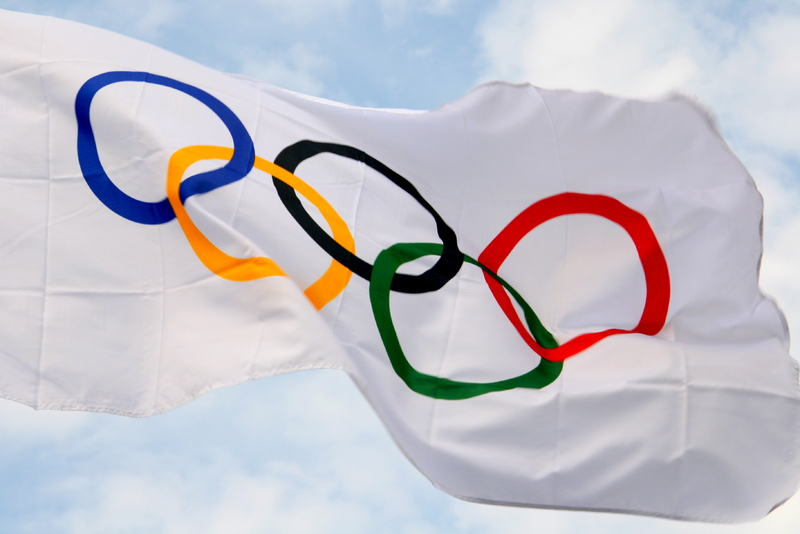
But I’ll also be looking for a handful of athletes who haven’t trained in state-of-the-art facilities or benefitted from the expertise of personal trainers, sports nutritionists, and sports psychologists. Athletes who have worked hard, sacrificed much and beat amazing odds, all for the pride of representing their countries (and genders) and the sheer joy of competing.  These are the athletes who will truly embody the Olympic creed: 

“The most important thing in the Olympic Games is not to win but to take part, just as the most important thing in life is not the triumph but the struggle. The essential thing is not to have conquered but to have fought well.”

Here are a few athletes who personify that creed:

Mohamed Hassan Mohamed is one of two Somalis who will compete in London.  This 22 year old runner fled Mogadishu several years ago fearing for his life after an Islamic militia group beheaded an acquaintance of his and threatened his life as well.  While Al Qaeda backed insurgents withdrew from Mogadishu over a year ago, suicide bombings, assassinations and kidnappings are still quite common.  Mohamed has been training in a neglected and war-ravaged stadium, and has spent the last few months living in a renovated classroom with no phone, TV or Internet, and a mosquito net hanging over his bed.

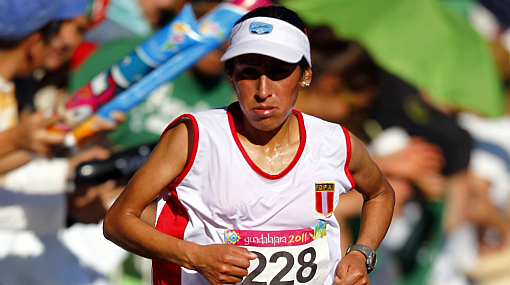
Gladys Tejada will be running only her third marathon, representing Peru at the London games.  The youngest of nine children, Gladys grew up in a tiny mud-brick village in the Peruvian mountains with no electricity and no TV and had never even heard of the Olympics until four years ago.  As subsistence farmers, her family never had any money and could barely afford to put shoes on their feet.  Gladys has not had any kind of formal athletic training, but believes that running in the harsh mountain conditions – plus hard work and discipline – have prepared her well for Olympic competition. 

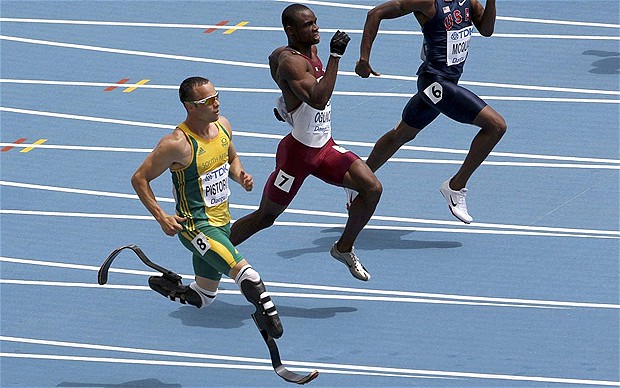
Oscar Pistorius, a 25 year old sprinter from South Africa, is nicknamed the “Blade Runner” because of the carbon fiber prosthetics he wears.  Pistorius had his legs amputated below the knees at the age of 11 months because of the congenital absence of the fibula in both legs.  He’ll run both the individual 400 meter and the 4 X 400 meter relay and will make history as the first double amputee to compete in the Olympic games.

Tahmina Kohistani will be the only female member of Afghanistan’s Olympic track team.  While Kohistani has had the full support of her family in pursuing her Olympic dreams, she’s representing a country in which women’s participation in athletics is deemed socially unacceptable.  She trains to the frequent jeers of citizens who are openly hostile to the idea of her competing and in subpar facilities and environmental conditions.  Kohistani will compete in the 100 meter and 200 meter heats.

In Running the Rift, Jean Patrick rises before dawn one morning for a practice run, to the amazement of his roommate who asks him “why?”  Jean Patrick replies that if he doesn’t run, his legs begin to hurt.  Running is as natural and automatic for him as breathing and blinking.  Like Jean Patrick, most of these real-life Olympians compete because it’s who they are – it’s their essence.  To not run, jump, throw, shoot, dive, vault or hurdle would be unnatural, even unthinkable.  And like my triathlete friend, they compete for the love of the competition; they’re in London for the love of the games.  I, for one, will be rooting for them.

Over the course of the next two weeks, be sure to tell us which athletes have inspired you.  Click on “Leave a Comment” in the title box above and share your thoughts and perceptions.

Share this:

  • Share on X (Opens in new window) X
  • Share on Facebook (Opens in new window) Facebook
  • Share on LinkedIn (Opens in new window) LinkedIn
  • Share on Pinterest (Opens in new window) Pinterest
  • Print (Opens in new window) Print
  • Email a link to a friend (Opens in new window) Email
  • Share on Reddit (Opens in new window) Reddit
  • Share on Tumblr (Opens in new window) Tumblr
Like Loading...

Coach’s Kitchen: Easy Breakfasts for Co-eds

Posted by Debby Ridgell on July 24, 2012
Posted in: Coach's Kitchen, Diet & Nutrition. Tagged: easy recipes, healthy breakfasts, recipes for college students. Leave a comment

Throughout the next few weeks we’ll be featuring a variety of recipes that are simple, nutritious and cheap – perfect for college students on the go.  Each of these recipes has been “quality tested” by yours truly.  Now, you might be wondering what that means – “quality tested.”  Simply this.  I don’t cook – and for good reason.   On the rare occasions in which I have attempted cooking, bad things have happened.  Broken glass.  Kitchen fires.  Vomiting.  Trips to the Emergency Room.  Thus, in my noble attempt to shield my family and friends from pain and suffering, I tend to avoid the kitchen.

However, in an effort to provide our readers with recipes that are truly easy – so easy, in fact, that “even Debby” can cook them – I had to try them out first.  And if I can pull them off, certainly anybody can – especially bright and clever co-eds. 

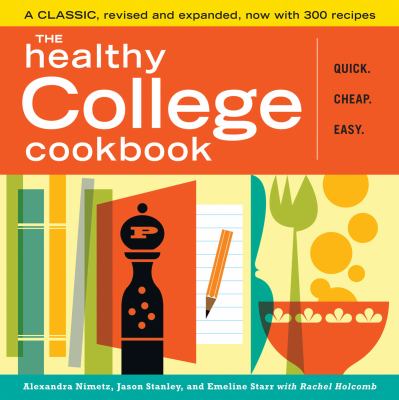
This week, we’re featuring breakfasts and both of the following recipes come from The Healthy College Cookbook by Alexandra Nimetz, Jason Stanley, and Emeline Starr with Rachel Holcomb. 

English Muffin Sundaes – both healthy and tasty

1 egg

¼ cup skim milk

1 teaspoon vanilla

2 whole-wheat English muffins

1 banana, sliced

4 strawberries, sliced

8 ounces nonfat strawberry yogurt

Preheat a non-stick skillet over medium heat.  Whisk together the egg, milk, and vanilla in a shallow dish.  Slice the English muffins in half.  Dip each muffin half in the egg mixture, turning to coat both sides, and set the muffins in the skillet.  Cook for 2 minutes per side until golden.  Remove the muffins from the skillet and set them on plates.  Top them with fruit and yogurt.  Enjoy!

Yields 2 servings

Per Serving

310 calories, 4 g fat, 7 g fiber, 14 g protein, 1 g carbohydrates

——————————————————————————————–

Quiche-adilla – a quiche and a quesadilla wrapped up in one easy recipe

1-2 Tbsp extra-virgin olive oil

3-4 garlic cloves, minced

½ medium onion, chopped

½ red bell pepper, seeded and chopped (optional)

1 (10 oz) package frozen chopped spinach, thawed and drained

1 tomato, chopped

Salt

Freshly ground black pepper

Crushed red pepper flakes

2 eggs

2 whole-wheat tortillas

½ cup shredded mozzarella cheese

Heat the oil in a skillet over medium heat.  Add the garlic, onion, and red pepper, if using, and sauté until the onion is translucent.  Add the spinach and continue to cook until the spinach is heated through and most of the liquid has evaporated.  Add the chopped tomato and cook until most of the moisture has evaporated; season with salt, pepper, and red pepper flakes to taste.  Remove all but about 1 cup of the spinach mixture and store in a separate container (for other uses, see below).  Crack the eggs into the remaining spinach mixture and scramble.  In a separate skillet, heat a drizzle of olive oil.  Add 1 tortilla and top with the spinach and egg mixture, a layer of mozzarella, and the other tortilla.  Cook until browned on the bottom, then flip and cook until browned on the other side.  Serve warm.

Note: The remaining spinach mixture is a great staple!  It can be warmed and served as a delicious side dish or mixed with some cooked ground beef or turkey, marinara sauce, mozzarella cheese, and pasta to make a deconstructed lasagna.

Yields 2 servings

Per Serving

375 calories, 17 g fat, 8 g fiber, 18 g protein, 38 g carbohydrates

Share this:

  • Share on X (Opens in new window) X
  • Share on Facebook (Opens in new window) Facebook
  • Share on LinkedIn (Opens in new window) LinkedIn
  • Share on Pinterest (Opens in new window) Pinterest
  • Print (Opens in new window) Print
  • Email a link to a friend (Opens in new window) Email
  • Share on Reddit (Opens in new window) Reddit
  • Share on Tumblr (Opens in new window) Tumblr
Like Loading...

Posts navigation

← Older Entries
Newer Entries →
  • Enter your email address to follow this blog and receive notifications of new posts by email.

  • Recent Posts

    • Ask Coach Stacy: The 411 on Treadmills
    • No Excuses
    • Sage Advice from Our Favorite Cowboy
    • A Few of Our Favorite Fitness Things
    • Playing It Forward to Aurora Shooting Victims
  • Blogs I Follow

    • TED Blog
    • Denver Post Blogs
    • Blogging Runner
  • Categories

  • Twitter Updates

    Tweets by coachstacy101
  • Archives

Blog at WordPress.com.
TED Blog

The TED Blog shares news about TED Talks and TED Conferences.

Denver Post Blogs

When you're moving, you're improving!

Blogging Runner

COACH STACY'S HEALTHY U
Blog at WordPress.com.
  • Subscribe Subscribed
    • COACH STACY'S HEALTHY U
    • Join 131 other subscribers
    • Already have a WordPress.com account? Log in now.
    • COACH STACY'S HEALTHY U
    • Subscribe Subscribed
    • Sign up
    • Log in
    • Report this content
    • View site in Reader
    • Manage subscriptions
    • Collapse this bar
 

Loading Comments...
 

    %d